Table of Contents
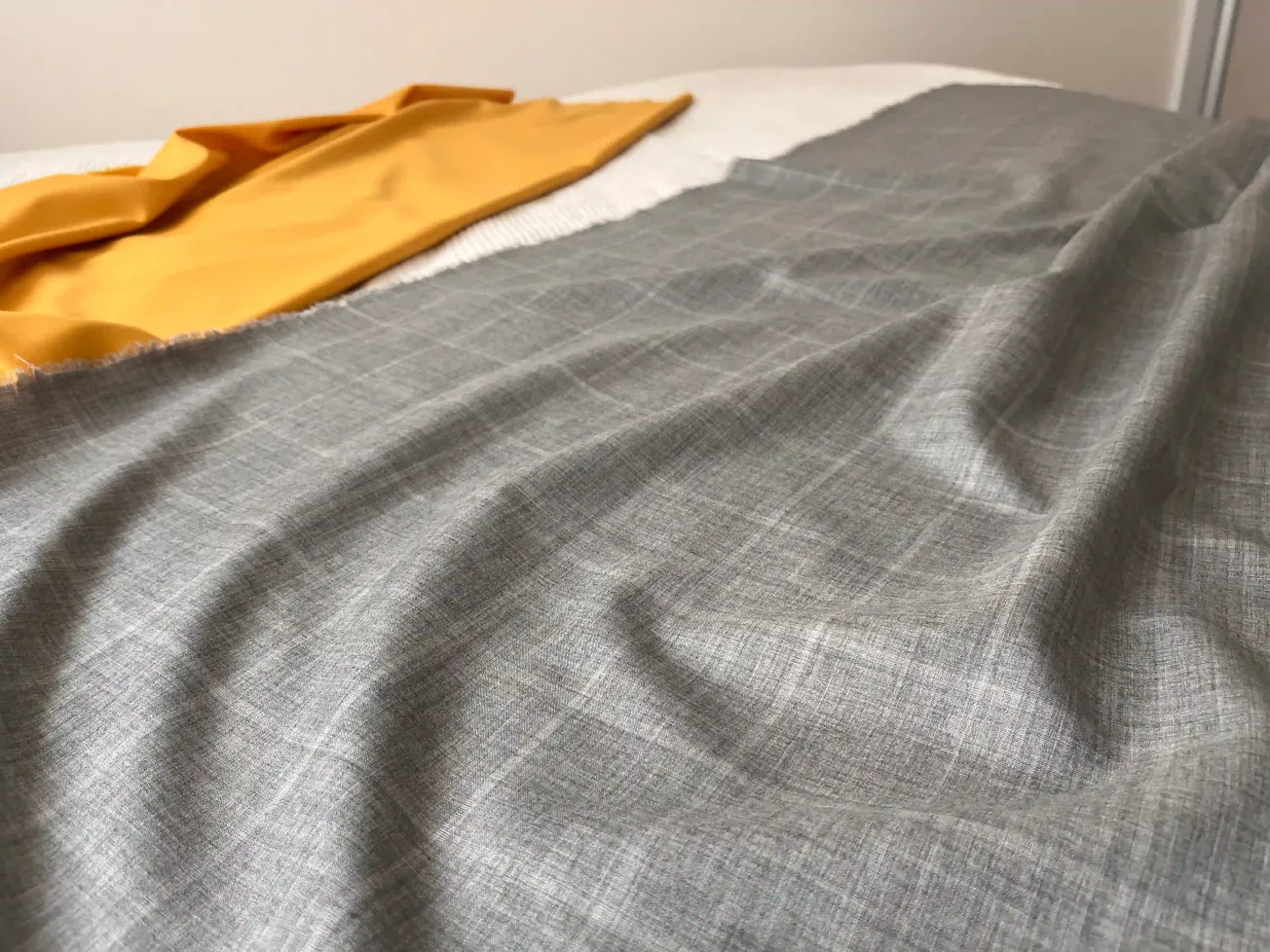
Imagine the lightness of butterfly wings combined with a sophisticated fabric structure. At first glance, the fabric felt incredibly light and fluid. While shopping for fabrics for upcoming sewing projects, this one immediately caught my eye. Holding the "papillon" fabric in my hands and touching it felt like holding a sheet of ultra-thin paper; it is both delicate and lightweight.
Even though it wasn't on my shopping list, I knew I had to take it home.
The weave of this fabric is very fine, yet strong enough for dresses or trousers. It is naturally breathable; for instance, if you choose a blend of natural fibers, such as cashmere and silk, the garment will keep you warm without causing you to sweat. While it's not typically transparent, holding it up to the sunlight lets you admire its exquisite structure.
I fell in love with this weave instantly. It is perfect for creating fluid, elegant dresses. It is timeless and very often crafted from premium materials.
Because it's so delicate and thin, this fabric can be challenging for absolute beginners. I certainly wouldn't recommend it for your very first sewing project. However, if you have moved past the absolute beginner stage, this fabric is a great next step to develop your sewing skills further. In this article, you will learn how to cut and prepare fabric for sewing to help your project succeed, as well as how to care for this type of fabric so it lasts for years. Proper garment care is essential to me; after all, when we invest our time and effort, we generally want the finished garment to last as long as possible.
What is The Different Between Papillon by Loro Piana vs Cotton Canvas
I chose Loro Piana’s Papillon for a dress-making project because, in addition to its perfect structure, it is extremely resistant to wrinkling or wrinkle-free, in fact. This quality stems from the material itself. Cashmere has fantastic properties, offering both comfort and a high-end, premium look. While it comes at a higher price point, that's why cashmere garments look the way they do.
Papillon fabric by Loro Piana vs. Cotton Canvas
Choosing the Right Project for Papillon
When I saw how delicate and fluid the fabric was, it was clear it suited refined, elegant garments. I can also easily imagine it being used for various romantic blouses, provided a different pattern is chosen. However, I certainly wouldn’t select this fabric for structured, sculptural designs that require the material to stand firm and hold its shape.
"Papillon" is elegant, yet as light as a breeze. If you wish to use it for a dress that needs to retain some structure, it is best to include a lining to provide the necessary form. On its own, however, the fabric is absolutely exquisite, delicate and soft to the touch.
Its composition determines its fluidity, as well as other qualities like its subtle sheen and even its scent. A blend of viscose and silk, for instance, results in a highly fluid fabric. If you opt for a cashmere-and-silk blend, like the one I chose from Loro Piana, you'll hold a timeless material that is warm yet breathable, with a delicate, natural fragrance.
If you are purchasing a "papillon" fabric made from a material prone to high shrinkage (such as cotton or viscose), I recommend hand-washing it beforehand using a gentle detergent. If you plan to sew a dress using a material like the one I chose, a blend of cashmere and silk, there is no need to pre-wash the fabric. Cashmere requires very infrequent washing, and silk should only be washed when necessary. If you do choose to pre-wash the fabric, always select your detergent and washing method based on the most delicate fiber in the blend; in my case, I would follow the guidelines for silk.
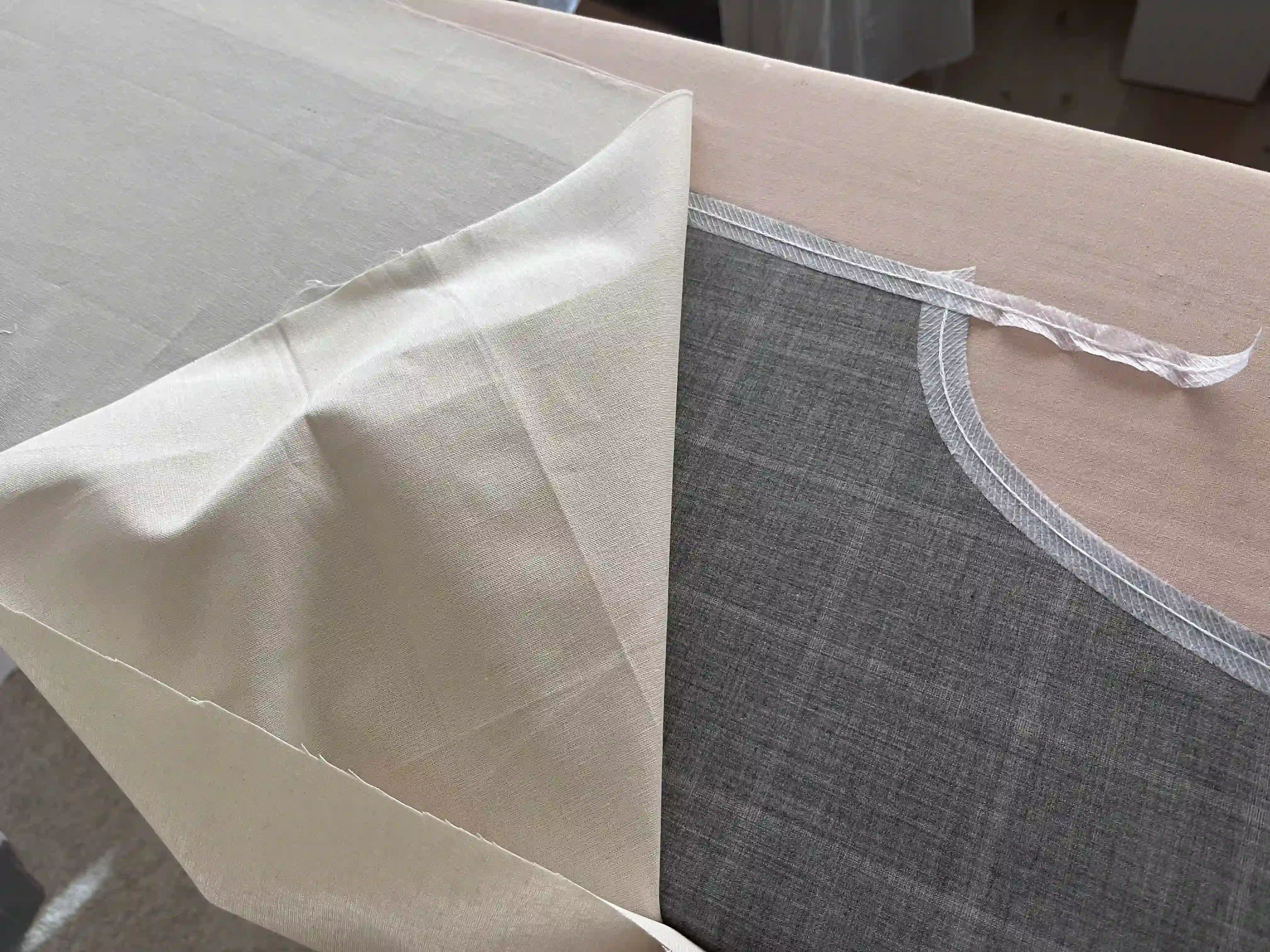
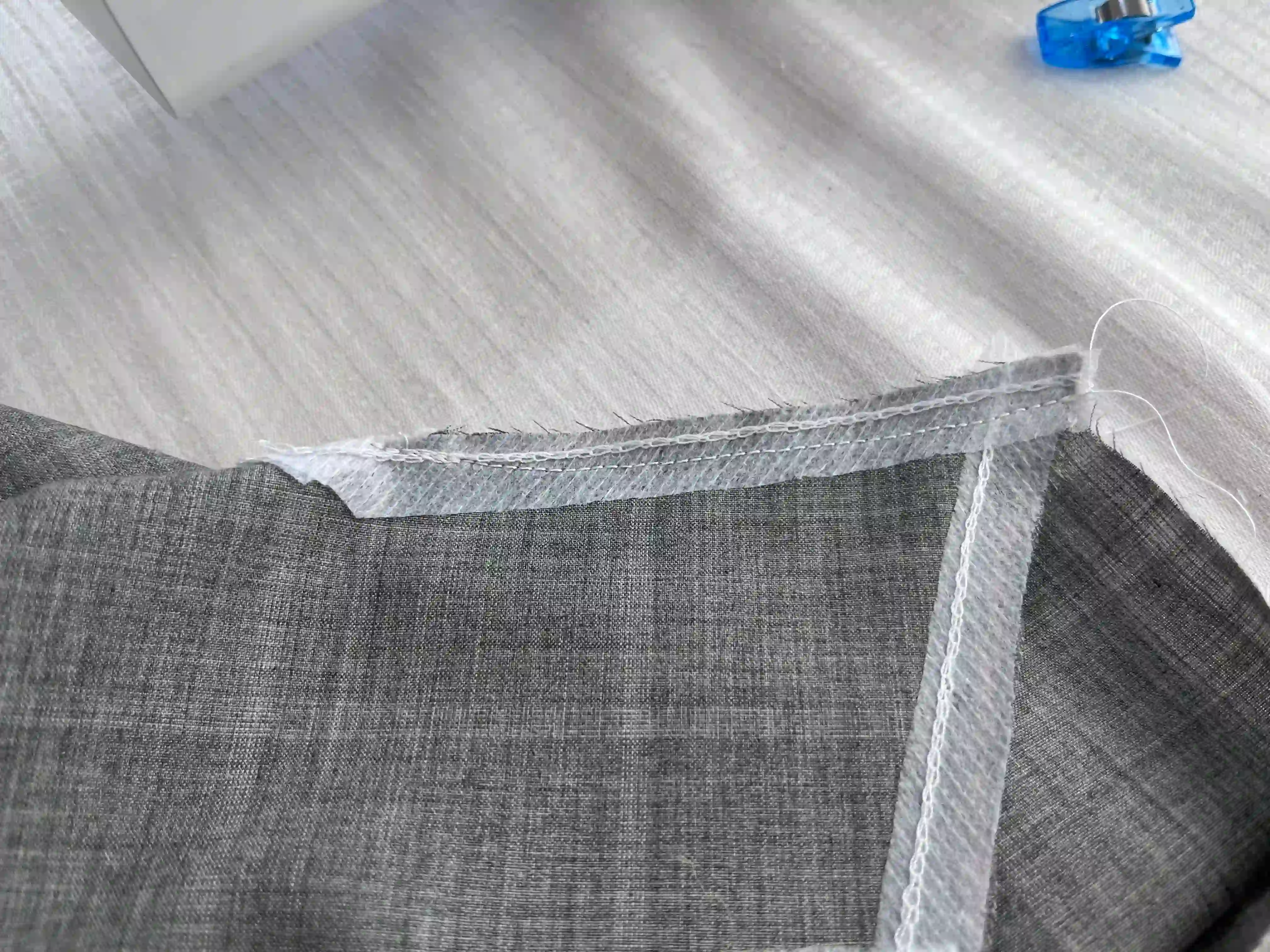
As I mentioned, "papillon" is a very delicate and unique fabric. So, if you are sewing on a standard home sewing machine, as I do, I highly recommend stabilizing the fabric with ultra-thin fusible interfacing tape. This will help the fabric stay in place better as it passes under the presser foot.
How to Cut and Handle Papillon Fabric
Pattern Placement & Grain Direction
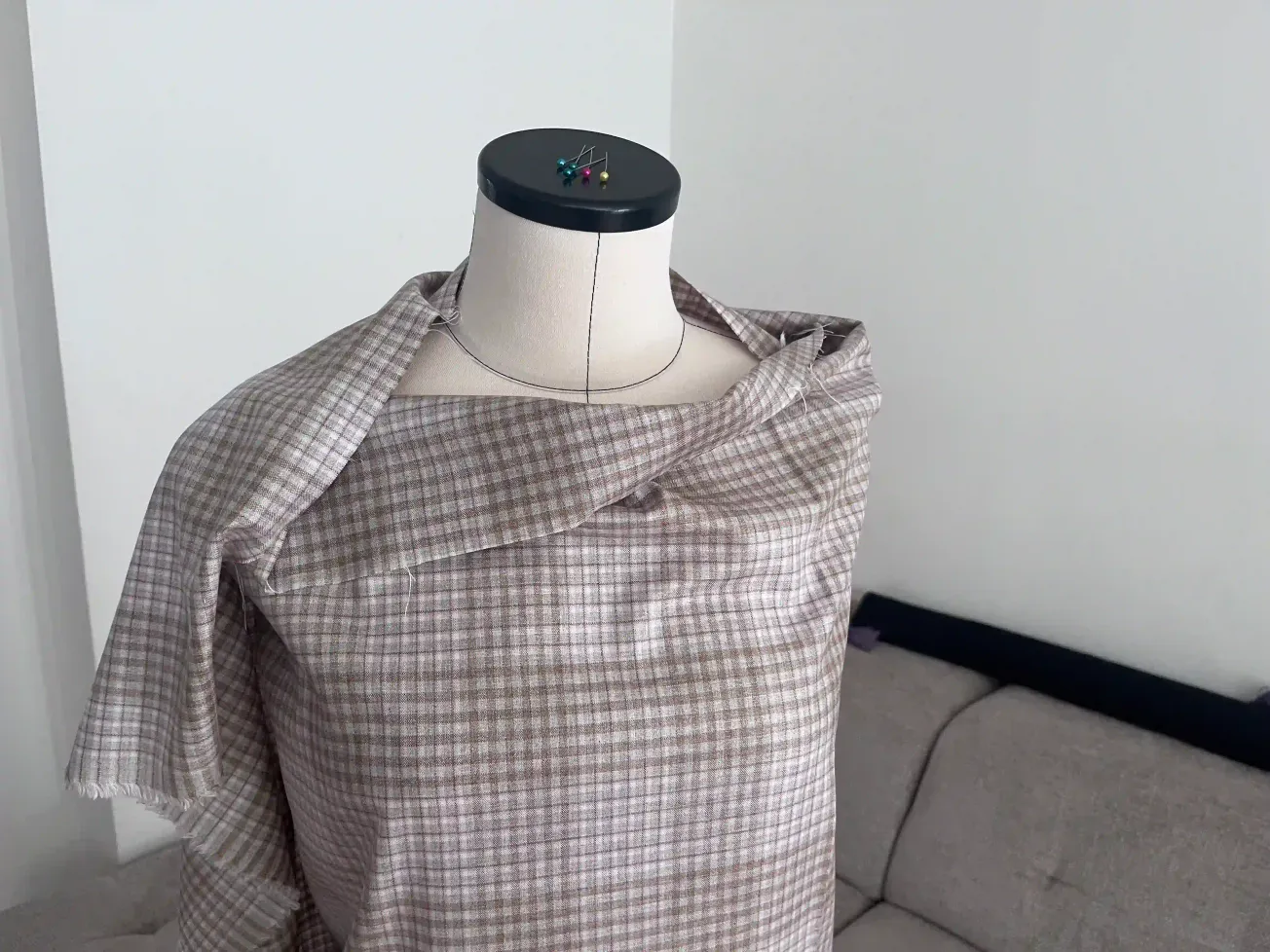
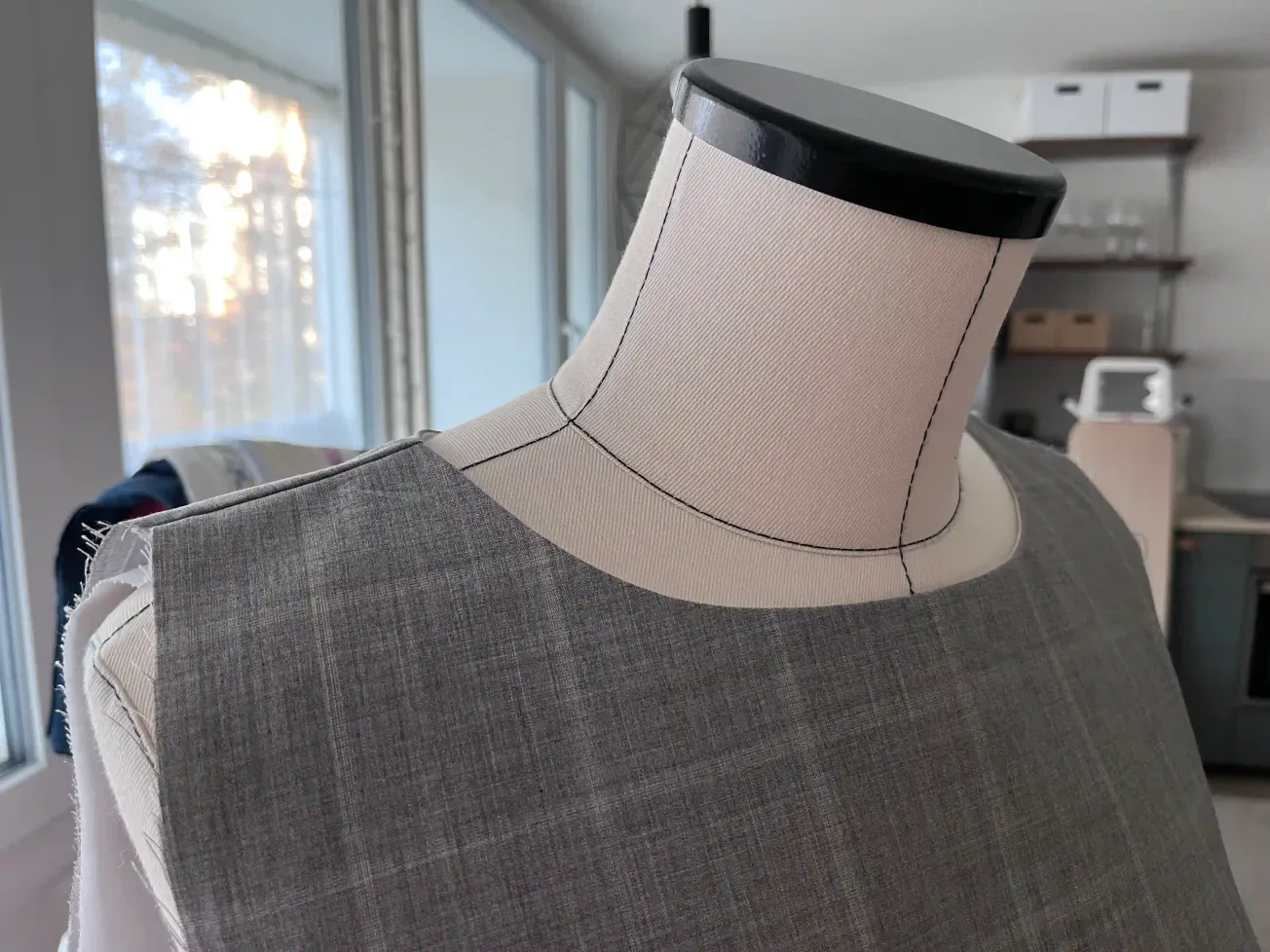
This part presented a bit of a challenge. I bought some Loro Piana fabric with a check pattern for my dress. The fabric itself is absolutely perfect, but since it was my first time working with a check pattern, I spent quite a long time positioning the pattern pieces to ensure the checks aligned as well as possible. If you are sewing with patterned fabric, take your time; it's well worth the effort. The fabric grain is clearly visible, making it easy to orient the pattern pieces correctly.
How to Cut Papillon Fabric
Be careful when cutting the fabric. Although it isn’t stretchy, its delicate nature means it tends to shift on smooth surfaces. To manage this, I spread the entire piece of fabric out on the living room carpet and cut there. The fabric stayed put on the carpet, and I used weights to hold the pattern pieces in place so the paper wouldn’t slide around.
Step-by-Step: Sewing with Papillon
Needle & Thread Selection
Papillon fabric is delicate, so it requires very sharp needles; sizes 70/10 or 80/12 are ideal. With such premium materials, I always choose high-quality cotton thread. Using polyester thread would diminish the quality of a garment made from a cashmere-silk blend. On the other hand, I couldn't use silk thread either, as it has too much sheen. Instead, I chose a grey cotton thread that matches the main fabric's shade.
I constructed the dress to conceal as many seams as possible, letting the Papillon fabric's delicate aesthetic truly shine.
Machine Settings
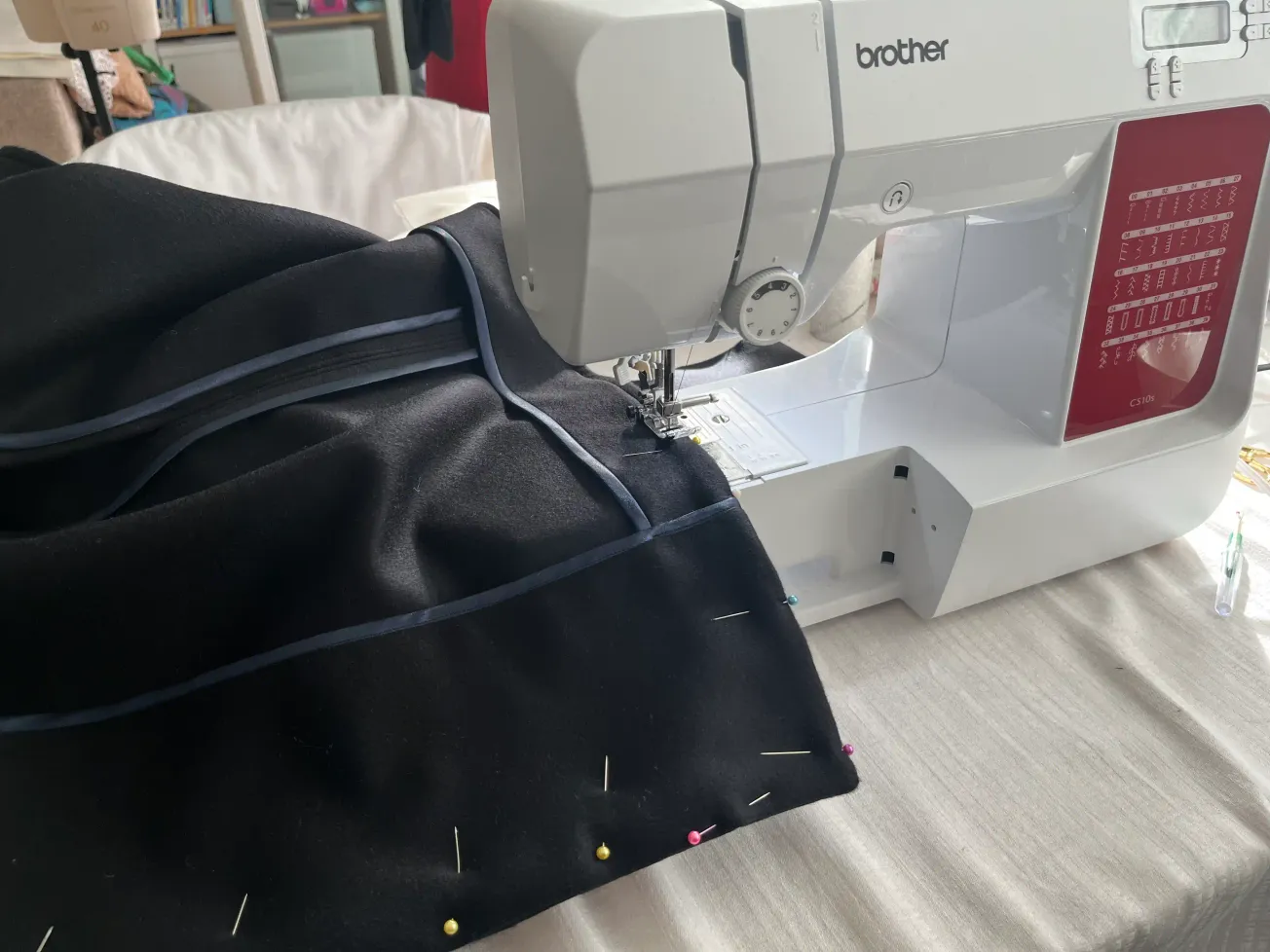
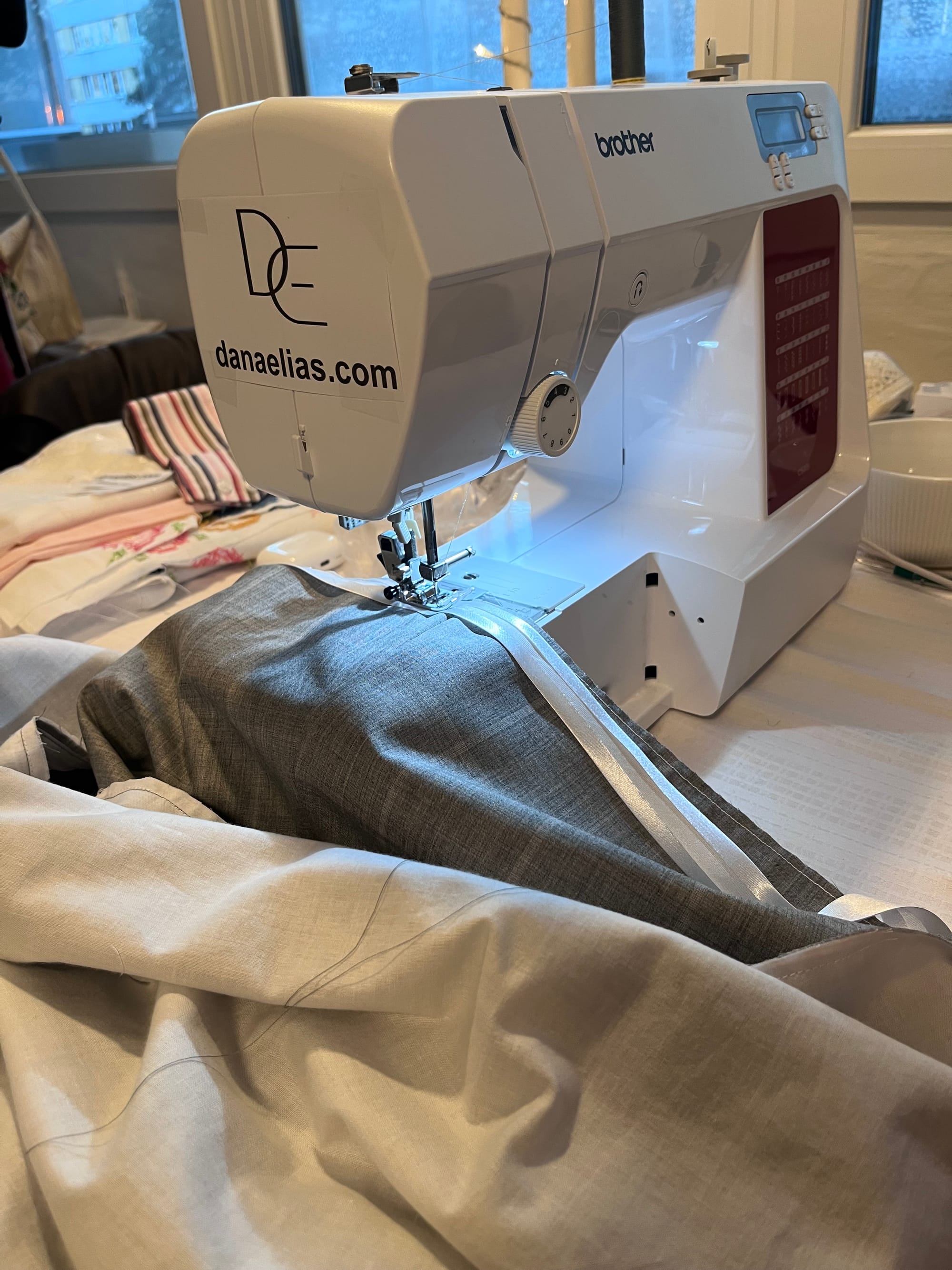
Some time ago, I purchased a sewing machine with automatic thread tension control. This keeps the threads from pulling or puckering, resulting in a perfect finish every time. Even so, I always sew a test sample first to see how the material behaves under the presser foot.
If your machine doesn't have automatic tension control, always test the stitch quality before you begin, and adjust the tension, loosening or tightening it, as needed.
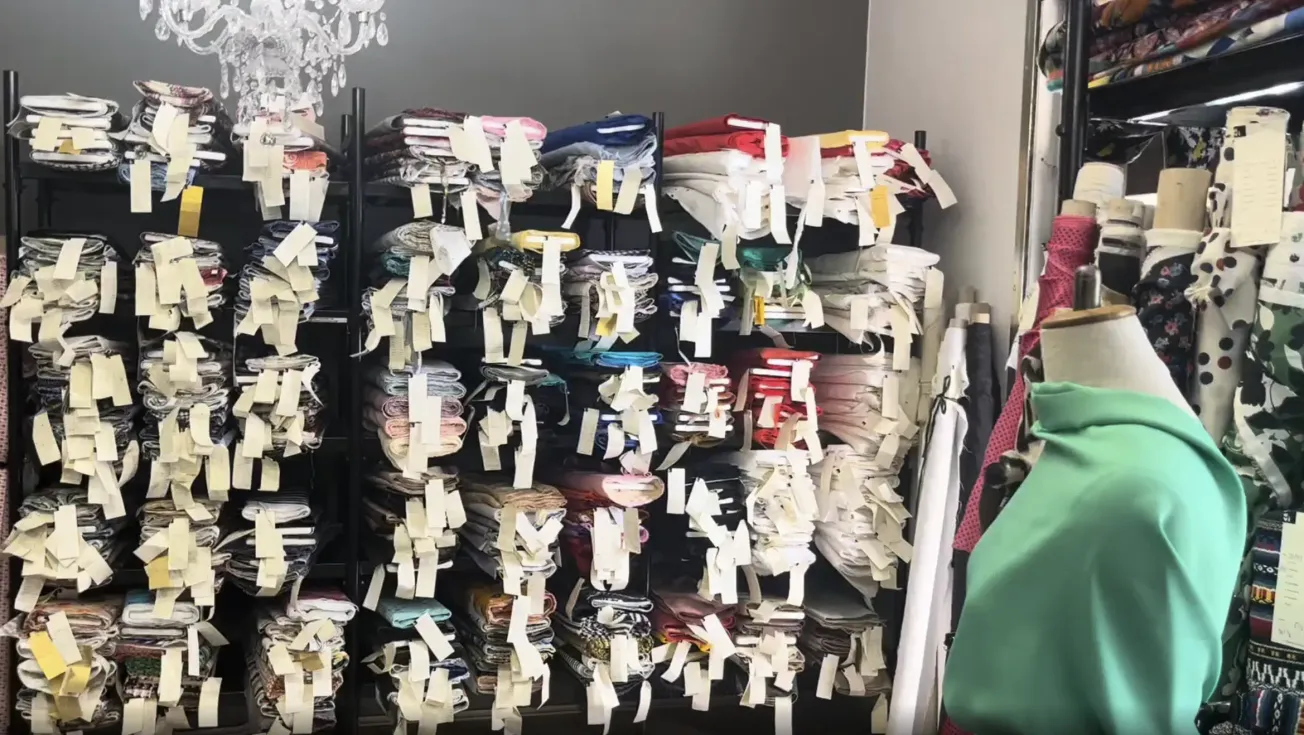
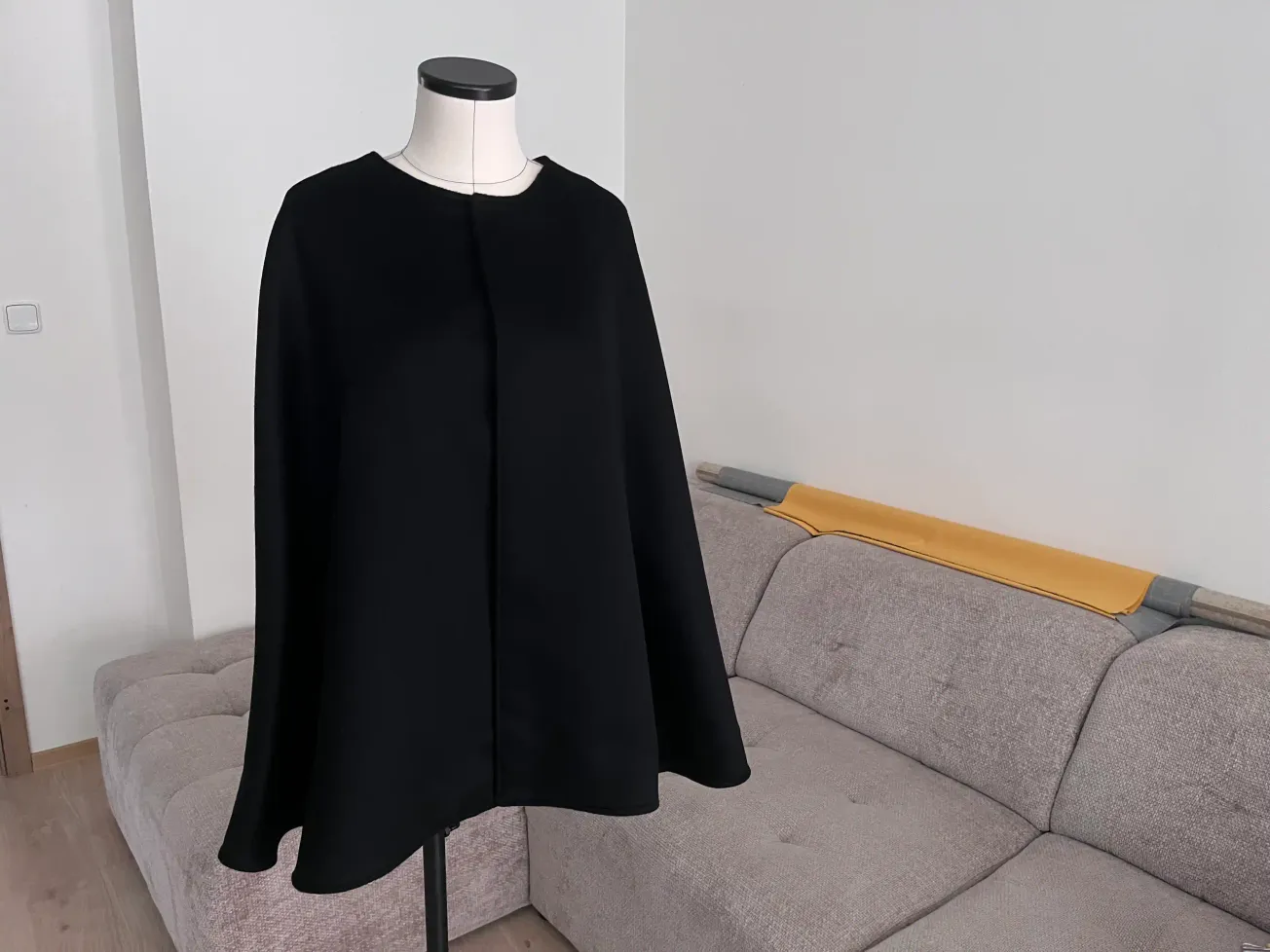
I used the Papillon fabric to make a dress, designed to be worn as a set with a cashmere cape. I purchased both fabrics from the same place: PAR EXCELLENCE. For the dress, I deliberately chose a cotton lining. I made this decision simply because I wanted to ensure that the fabric, paired with a sturdier material, would hold perfectly steady under the sewing machine's presser foot. I am not an advanced seamstress. I sew in the spirit of "Quiet Sewing." I don’t rush; I savor the sewing machine's gentle clatter. At the same time, however, I want the final result to be perfect.
Pressing and Aftercare
Pressing without Flattening
For any fabrics with a visible weave or made of premium materials, I always iron from the inside, placing a pressing cloth or a dedicated piece of cotton fabric between the iron and the material. The soleplate should never come into direct contact with the right side of these fabrics. Because I invest so much time in creating these garments, I do everything I can to ensure they aren’t damaged and will last for years to come.
Longevity
I store garments made from premium fabrics, such as Loro Piana's papillon from silk-cashmere, in a dry, well-ventilated space, specifically a closed wardrobe shielded from direct daylight. Given the amount of cashmere in my wardrobe, I also keep lavender sachets inside to repel potential pests (moths). I hang my dresses individually, pressed, and protected from dust.
Have you ever sewn with papillon fabric, or are you planning to?
I’d love for you to let me know in the comments!
If you have any questions, I’m here to help. 😉
Wishing you a wonderful "Quiet Sewing" 🌸
Dana