Table of Contents
We all talk about the flow of energy in our lives, but we don't talk as often anymore about how to move on. How to let go of a favorite thing, how to move on without it. We have cluttered homes because we need everything all the time, but what do we do specifically when we finally notice that the flow of energy has stopped?
I call this bridge "Intentional Rehoming" to a new home.
What happens when a house is full of things?
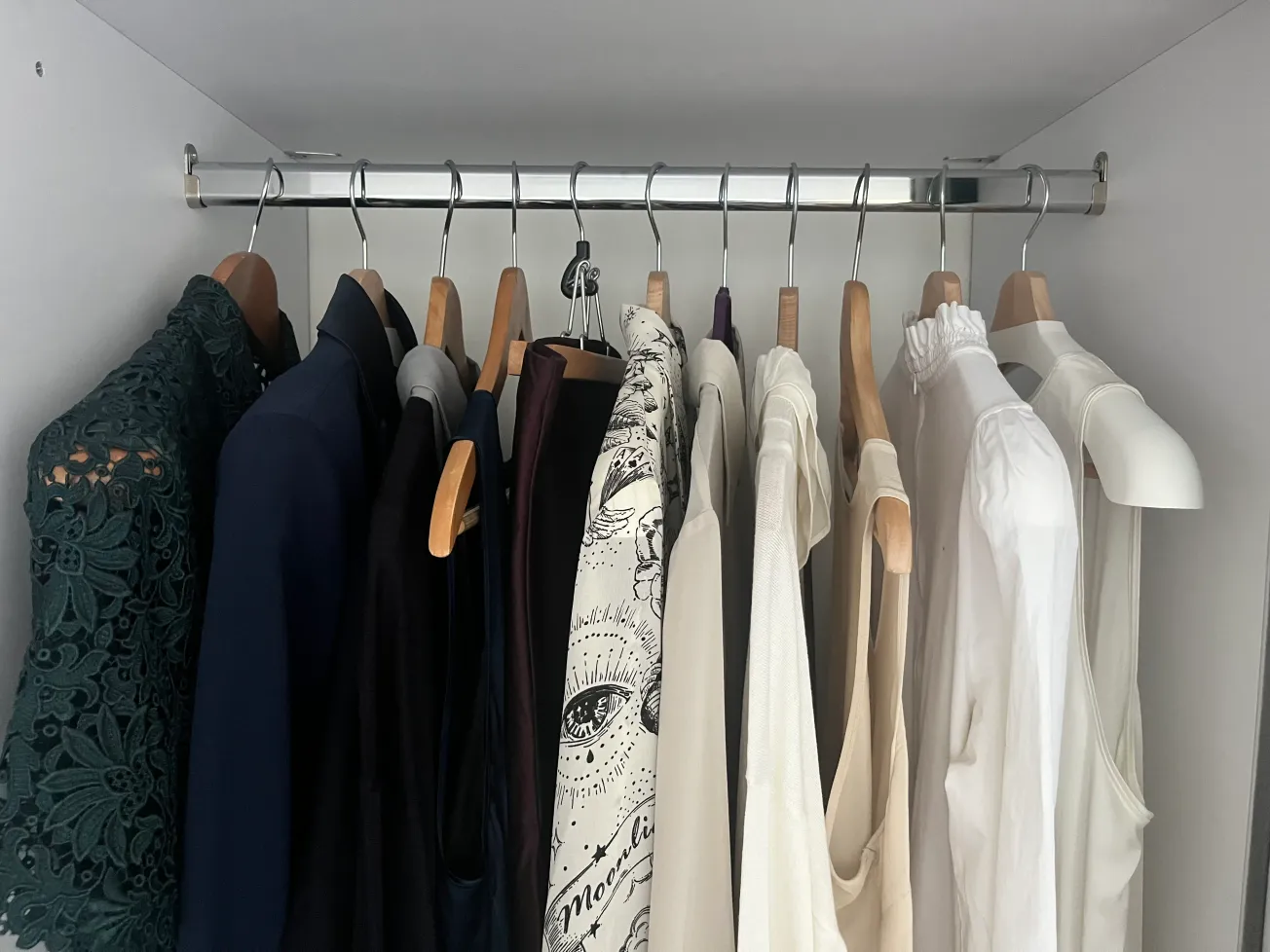
Most of us have experienced situations from time to time when there is no place to put our clothes. There is no place to put our things. Dusting is literally a nightmare for some of us. I remember it very well with my grandmother, when I used to clean her apartment and had to move all those ceramic vases to dust them. All these things, starting with a large amount of clothes, plus a couple of things that we don't use, form energy blocks.
In such homes, there is then "stagnant energy." Even people are slowly slowing down under the weight of all those unnecessary things.
I believe in movement. Things should circulate. I accept new things with gratitude. With love and a pure heart, I consciously pass on the old ones to places where they will help. There are many books and different concepts of living, and how to tidy up your home, and so on. I have never fallen for this style. But I always approach our home as part of a larger cycle. I am responsible for everything that I attach to myself in my life. The same applies to things. If I buy something, I am responsible for it until I pass it on. If something is in a corner and no one uses it anymore, the energy is stagnant. But if you find a new home for the thing, the energy comes to life.
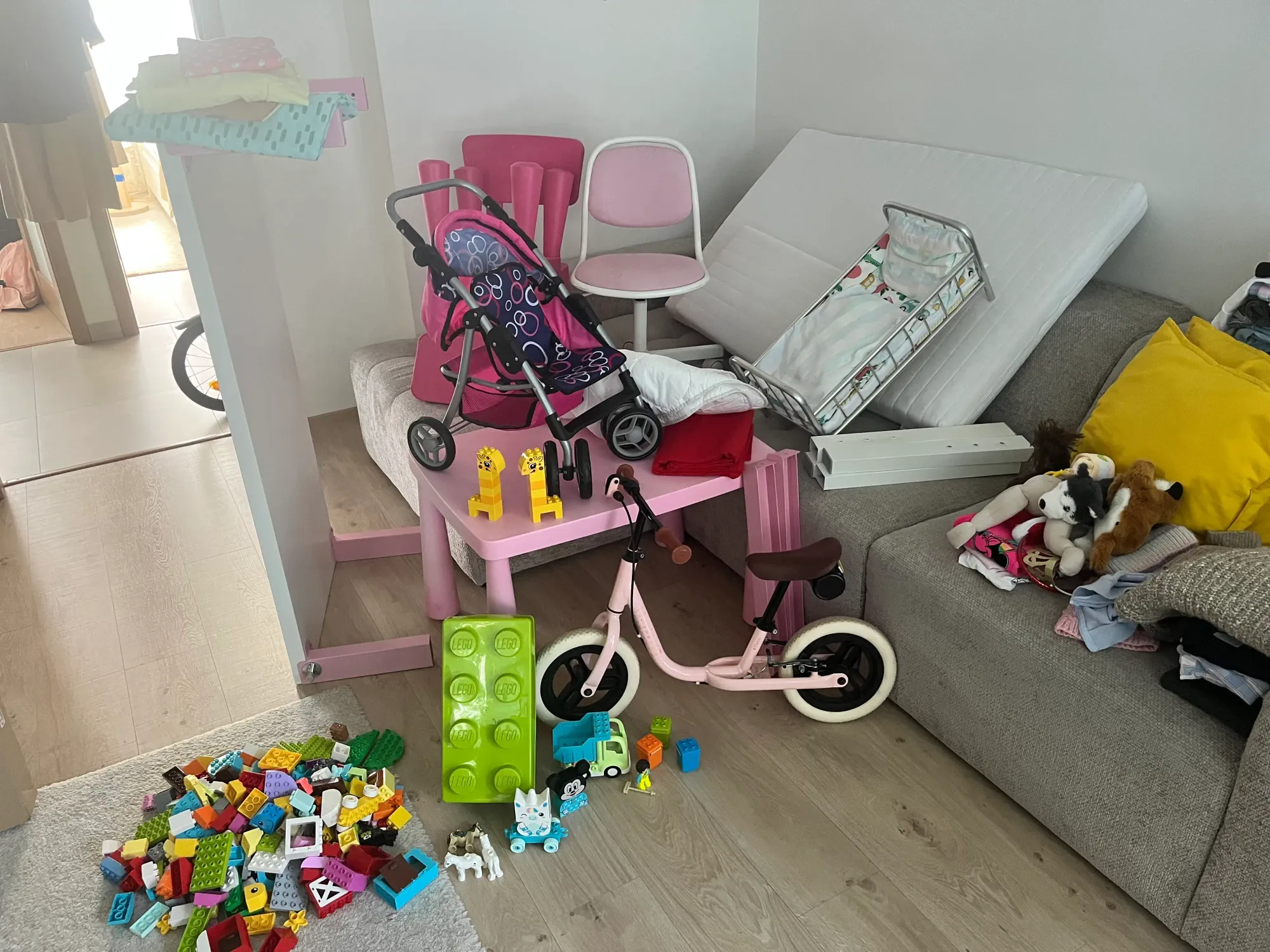
Intentional Rehoming Concept
The main idea of this approach is that if an item is no longer useful to us at home, and I know it is in good condition, I will find a new home for the item and donate it to someone who will find it useful and be happy to have it.
I don't mean that I will sell the item on the Facebook Marketplace to make money. After all, it has been a part of our lives for some time, so we all have some memories of this stuff.
It's impossible to bring the item to the trash can or just in front of the house with a "for free" sign and leave. I believe that every item has its own energy, created during its stay in our home. We have taken good care of it. Why should it end up in a careless place by the trash can if the item can still bring joy elsewhere and can still be useful?
Hierarchy of letting go
It is extremely important how this item leaves your home. It is a reflection of your attitude and behavior towards things that have served you so far. I don't want to recklessly throw things that could still be used elsewhere in the trash. Even though they no longer fit into our household life, that doesn't mean they are not good enough for someone else.
Direct Intentional Rehoming
Finding a new home for items we don't need at home has always been very important. First, I look for a new home for the item in my immediate family and friends circle. This is usually my immediate surroundings, where I ask my friends and family if someone would like this blender or maybe a mattress, the cover of which I have washed, of course. If I find a new home for this item, I will hand it over personally. I have learned that either friends will come to pick it up and take it away, or I will bring it to their homes. I never want anything in return. This is because finding a new home for an item that I no longer need is a joy to me. I am glad that the item will be useful and bring joy to someone else. There is also joy in personal giving, which is very important to me.
Purposeful Donation
Targeted donation comes second if I cannot find a new home for the item. I keep items in the house in constant circulation. Some of them have been with me for many years; others, for example, those related to children who are constantly growing, I turn over more quickly. So if I cannot find a new home for the item within my circle of family, friends, or neighbors, I look for organizations that might need it. For example, in my country, the homes of the Fund for Endangered Children Klokánek. This is an organization intended for children who need immediate help. In our country, the organization operates under an authorization from the Ministry of Labor and Social Affairs. It provides continuous, safe, and immediate help and care for abused, neglected, exploited, or otherwise socially disadvantaged children, whom it accepts based on a court decision, a request from a social and legal child protection authority, or a contract with the parents or the child themselves. In reality, these buildings under the Klokánek organization have only a few apartments in each complex. In each apartment, a maximum of 4 children live, cared for by an "aunt" or "uncle," and lead a normal family life. The children live in a safe environment and experience love and care. Instead of the classic institutional regime, this system offers a warm, stable, and natural family environment for children who need to deal with trauma.
If I don't find a new home for the item, I always look for an organization to which I can donate it for free. I never sell them. I keep this cycle going so that I can help others and find a new home for things that we no longer use at home.
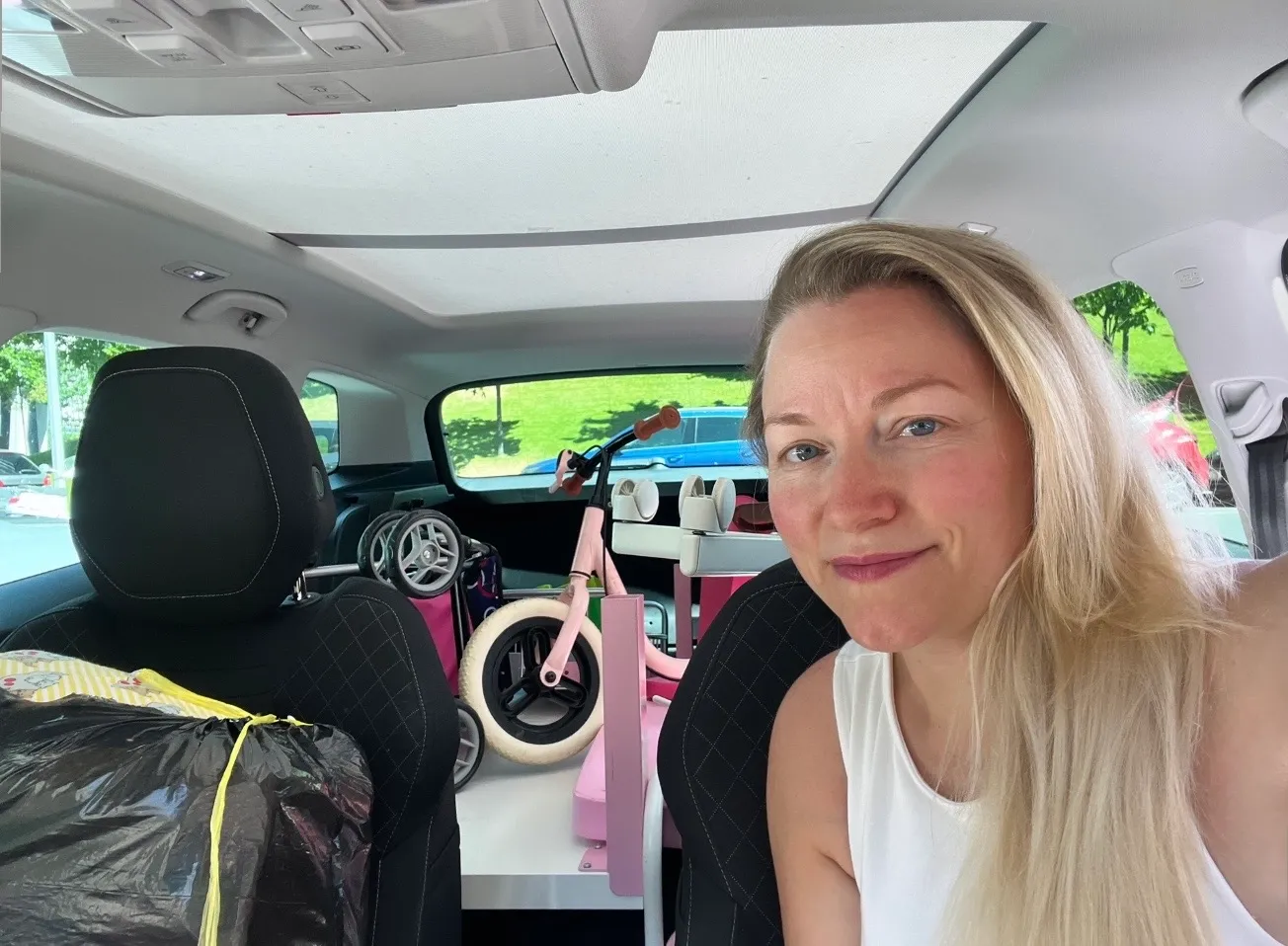
In these cases, I always bring all items personally or with friends, if they are, for example, larger pieces of furniture.
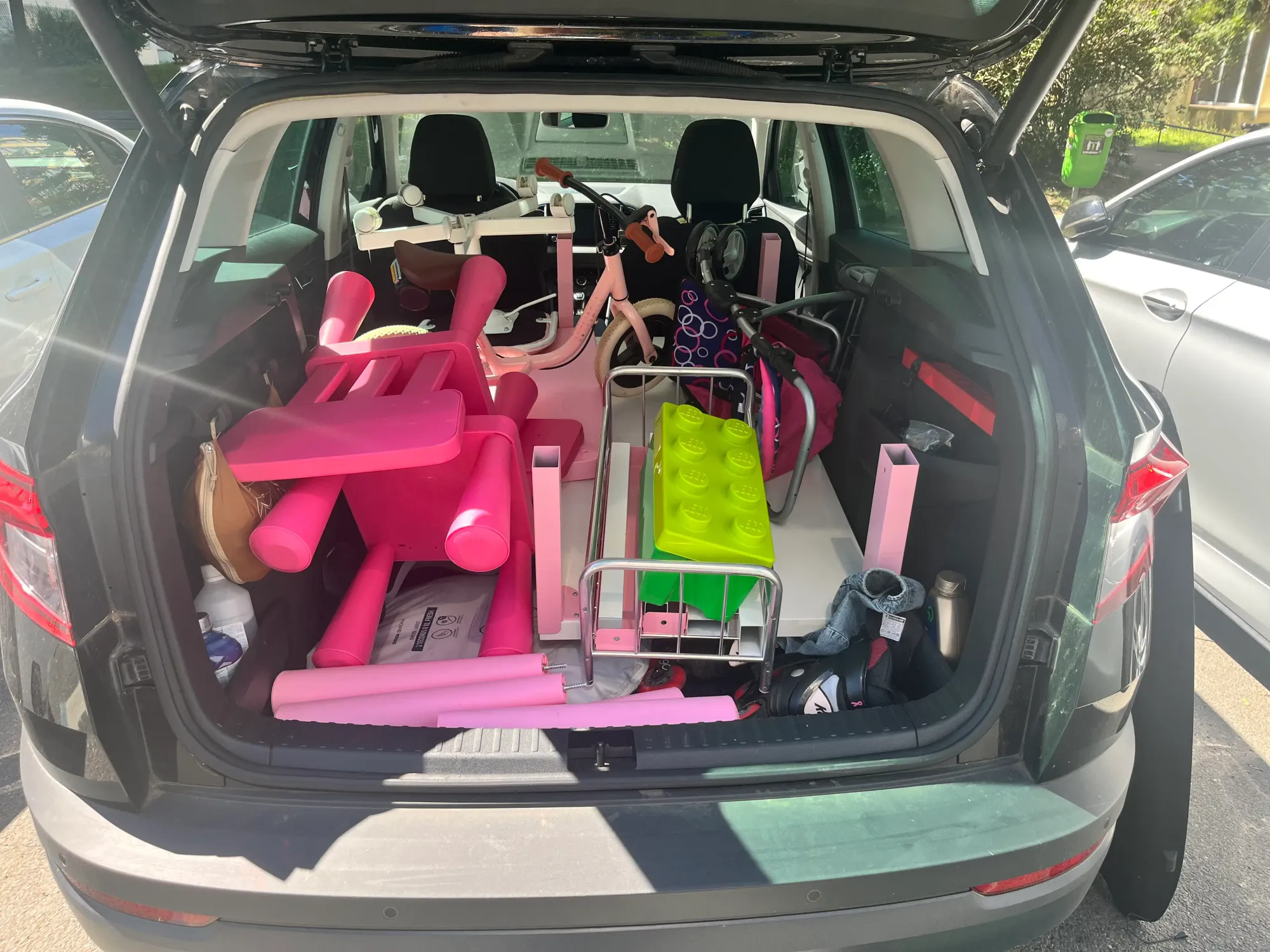
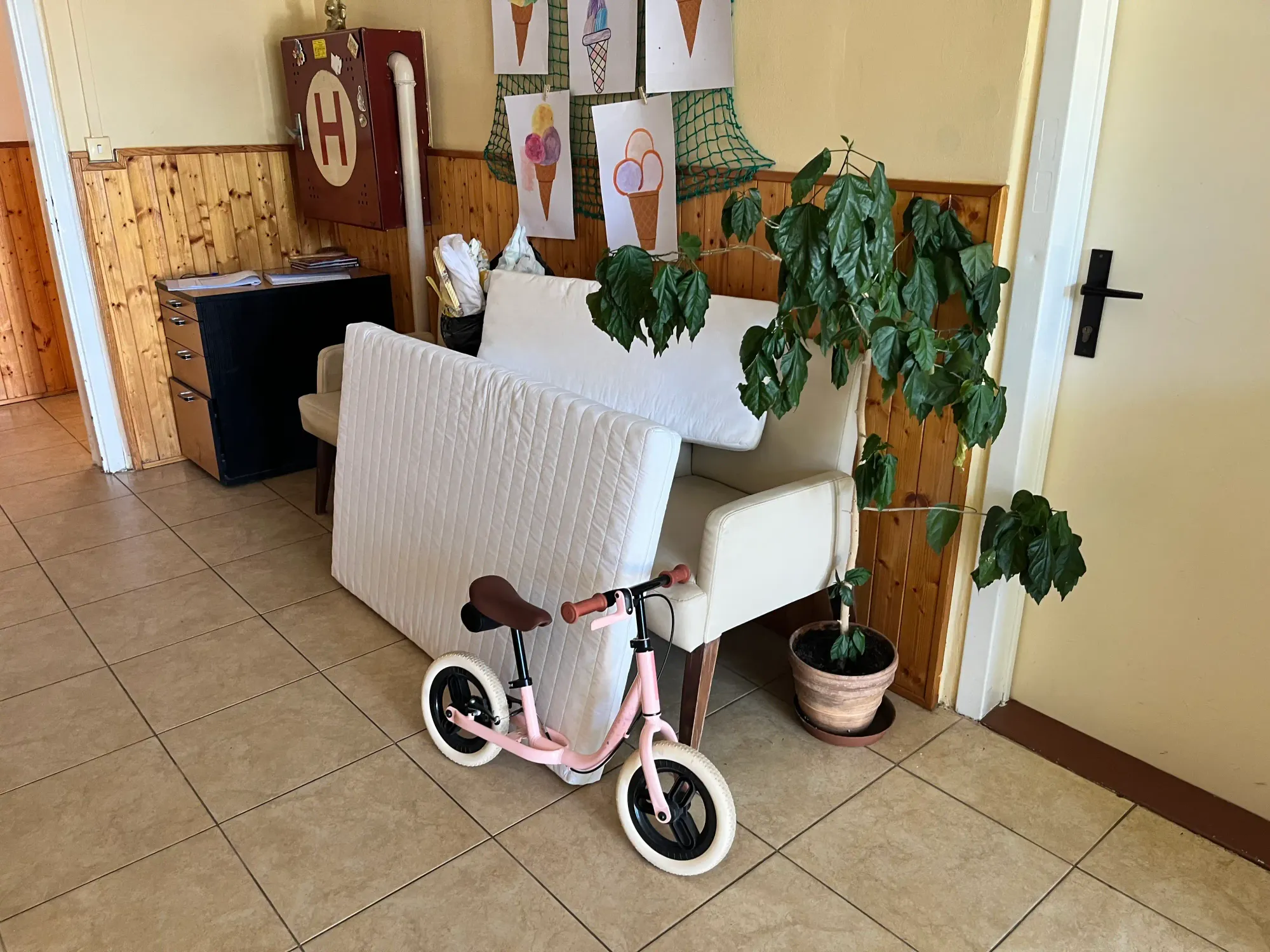
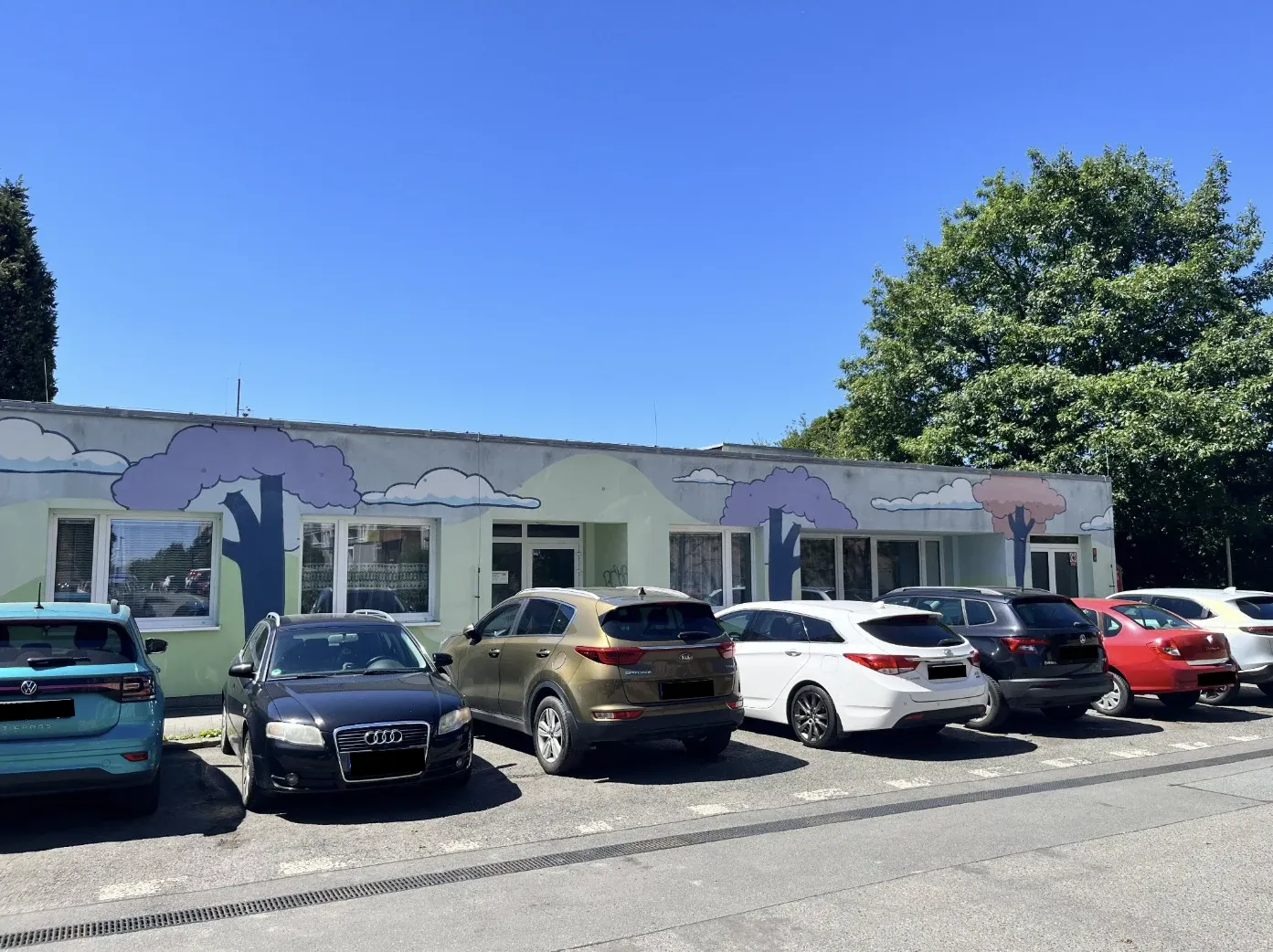
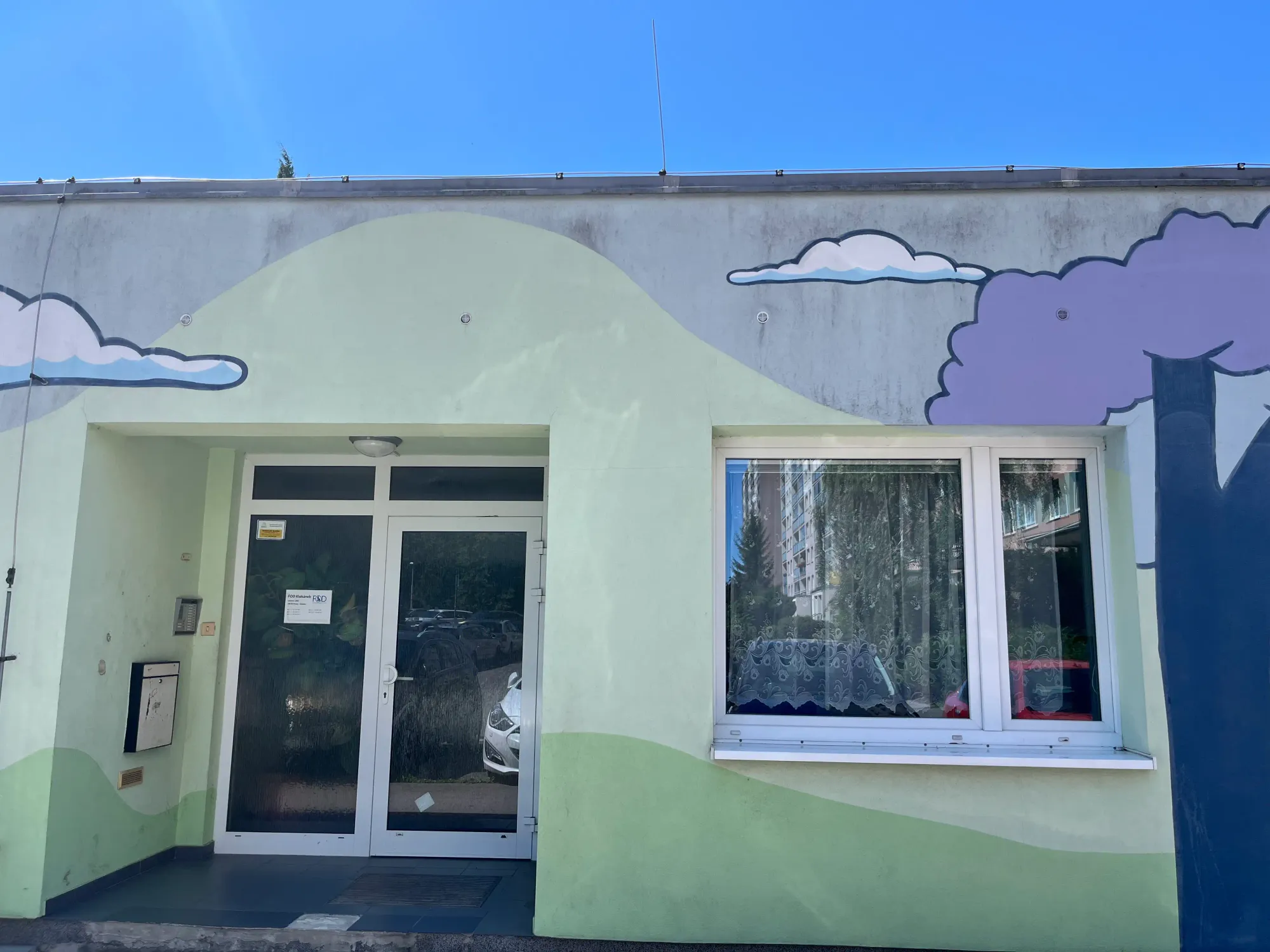
In the Concept of Intentional Rehoming, the most important thing is that you do everything with love to help others who need it.
Furniture banks
The penultimate one is furniture banks.
Furniture banks are intended for people from socially disadvantaged backgrounds. If you drop off/bring furniture or items to this location, these people can come and take away furniture or equipment for which you haven't found a new home for free. There is no longer a personal handover, but things still end up in the hands of those who need them.
The Safety Net
As a last option, there are collection containers. I don't like to do it, but it's happened to me a few times that an item was damaged, and there was no other way. I thanked these items for their service, and after dismantling, I took the items to the provided container, where the city will recycle them further, or, in the case of damaged furniture, dismantle it and take it to an incinerator or landfill. It hurts, but unfortunately, it's part of it. It was my daughters' bunk bed, which they completely destroyed, and it was no longer safe to sleep in. So I had to replace the bed. But remember that sometimes people gave other things that still had a use, and someone else who needed them took them from the container.
Every country has its own organizations, so you always need to look locally and try to find them. They exist. It's a little extra work, but it's also a new home for something that was useful to you in some way.
Clean house = Clean mind
There are many books and theories about why you should have a clean house. Not to be cluttered with unnecessary goods that block our own energy and mind. I accept and respect all of this.
But in this concept, I primarily focus on the approach to finding a new home for things. That's a different game changer. It's not about why you should have a tidy house and have space. This concept concerns a specific procedure. It's about how to solve these situations specifically.
We all have a problem with throwing away our favorite things. But if you intentionally find a second home for items, you let them go with love and joy in your heart, knowing they will find a new home rather than end up in a landfill.
The idea that items will end up in a landfill is, by the way, one tóf the biggest blockers for most of us.
The idea of intentionally finding a second home for things is a new approach to cleaning our homes of unnecessary things.
Do you already know which thing in your home deserves a new home? Not to throw it away, but to intentionally find a new home?
With love and cleaner home
Dana