Table of Contents
The Lie of Cheap Fashion
Today's world pushes us to make decisions faster. The price tag of a product is usually the only factor in our decision-making. I see a $20 or €18 polyester blouse, and it immediately seems like a "bargain" to many of us. In addition, there are stores selling silk clothing that many of us will not even enter because we have a strong ingrained belief that silk is a luxury and therefore expensive. Silk is generally perceived as a luxury item that only the rich can afford.
However, I have noticed that the reality is different. The truth is that the price tag on clothing is one of the biggest lies of modern marketing, because the real price of clothing is only reflected in the number of times it is worn. It is called Cost Per Wear (CPW).
Let me explain below:
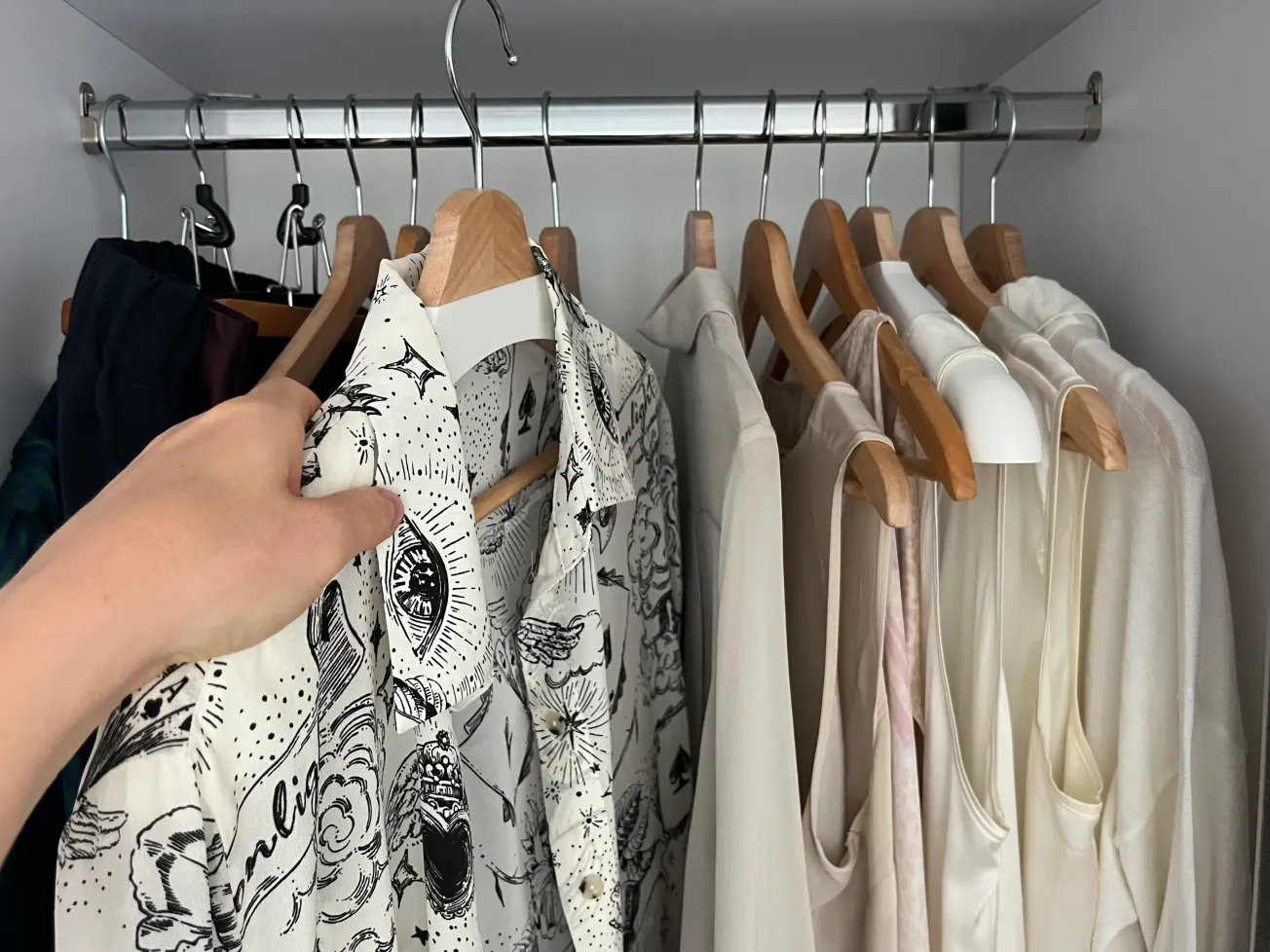
If you buy cheap synthetic clothing, after a few washes it usually loses its shape, gets shabby and pilled, you sweat in it because it is not breathable, and in the end you prefer to leave it in the closet. At that moment, this clothing becomes the most expensive item in your wardrobe.
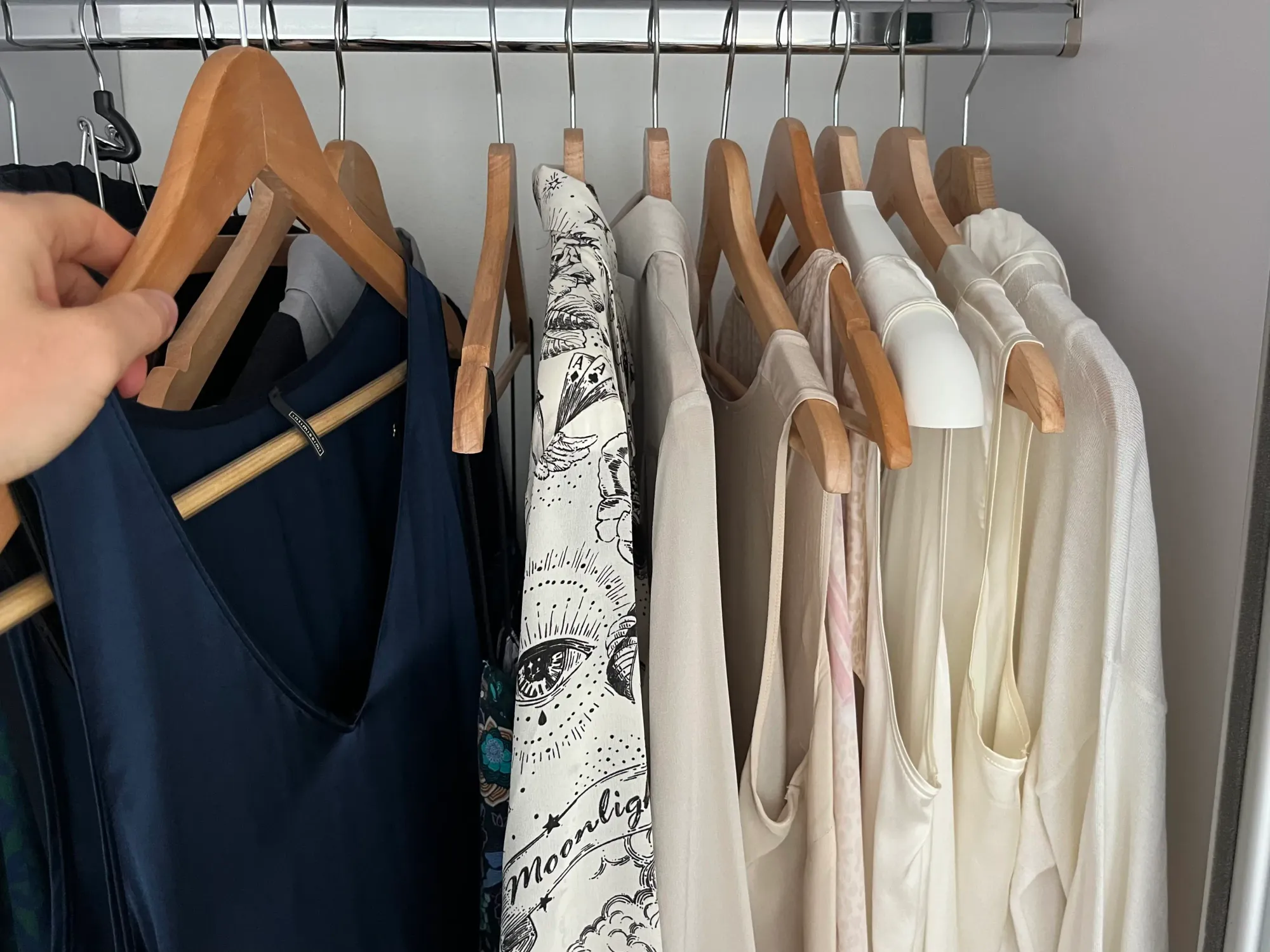
So buying silk clothing is not a whim, but a cold mathematical calculation, because you can wear silk 100 times and it will still be beautiful, elegant, and breathable. Moreover, it is a natural material that is not made from petroleum. By wearing it, we show respect for ourselves and our own comfort, and it is also kinder to the planet.
In this article, I want to debunk the myth that luxury materials are expensive and explain why silk is one of the best ways to achieve perfect style at the lowest long-term price.
How is Cost Per Wear Calculated?
Product Price / Number of Wears = Real Product Price
Silk vs. Synthetics: A Battle That Plastic Can’t Win
The hard facts of a product's final price are strict, and when we look at the price of a product for 1 wear in our wardrobe, we usually get a clear mathematical result.
Another fundamental affect that can’t be avoided is the thermoregulation of materials and the impact of these fabrics on our health.
Thermoregulation vs. Greenhouse Effect
Polyester traps heat and makes you sweat quickly. We can call it the greenhouse effect. You are in the humidity; your skin naturally opens pores, which can allow unwanted bacteria and substances, including microplastics from petroleum/oil-based clothing, to enter. It sounds pretty disgusting when you say it like it is. Polyester is essentially sophisticatedly processed oil, so when I think about what I’m going to wear, I’m very careful about these topics. When you sweat in polyester, the moisture does not leave, and bacteria begin to multiply and decompose. An undesirable odor is created, which many of us cover with antiperspirants or deodorants.
Silk is a natural material. It is breathable. Did you know that silk contains amino acids that affect your skin's hydration? The reason is clear: these amino acids are very similar to human skin. Silk is made up of two main proteins, fibroin and sericin. In human terms, silk works like a second skin thanks to these two proteins, which, when touched, complement our own skin by providing the missing substances on the surface. Because these amino acids from silk reach our skin, they help create a breathable film that binds moisture inside the skin. This film does not clog the pores in the skin, which can then breathe naturally. It is a beautiful magic.
So the question is, why do fast fashion chains encourage us to voluntarily wear plastics made from petroleum and be proud of it?
Durability as the basis of an investment
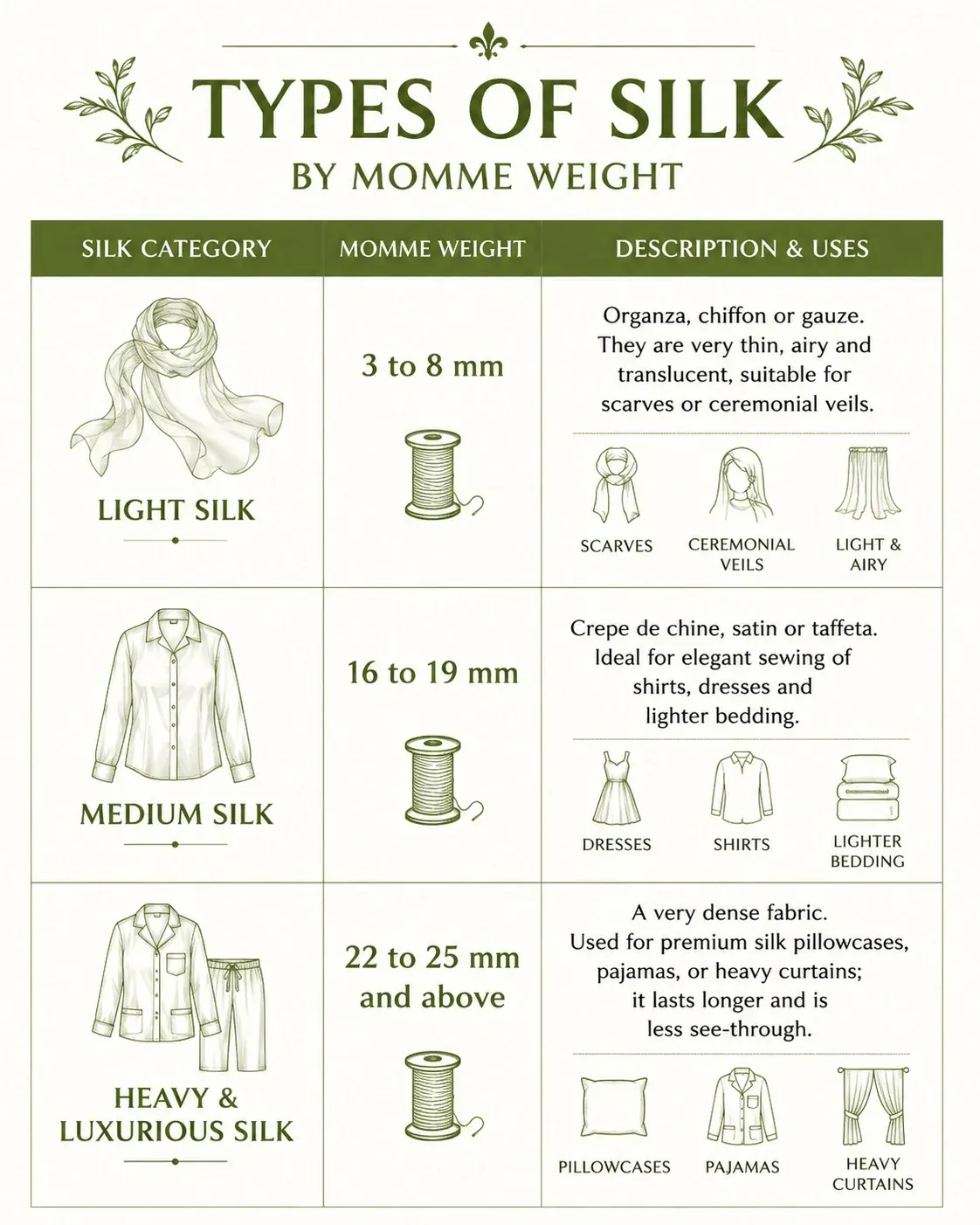
You may have also noticed that not all silk is the same. For the silk you purchase to be an interesting investment in your timeless wardrobe, you need to monitor the momme value. This is the value of the silk's weight and density. Just imagine it as a grammage. The higher the value, the higher the quality of the silk and the longer it will last. Unfortunately, manufacturers do not always indicate these values on their products.
The advantage is that you can derive the momme value from the material the garment is made from.
Types of Silk by Momme Weight
Silk is one of the strongest natural fibers.
If you take care of it properly, it will last you for decades.
The Psychology of Luxury and “Self-Confidence in Installments”
Silk is generally perceived by society as a luxury material for the upper class. It has always been that way since I was growing up. I constantly lived under the marketing delusion that this material was only available to a select group of people.
But over time, I realized that these were the patterns I grew up with. And so I could change these patterns. Materials like cashmere, silk, and mohair are not just for a select group of people. Yes, many brands use them as part of their Quiet Luxury strategy to create their clothes, and then build a brand and marketing around them.
However, today’s reality is a little different. We can buy many beautiful materials even from more affordable brands, and with proper care, our clothes will last us for years.
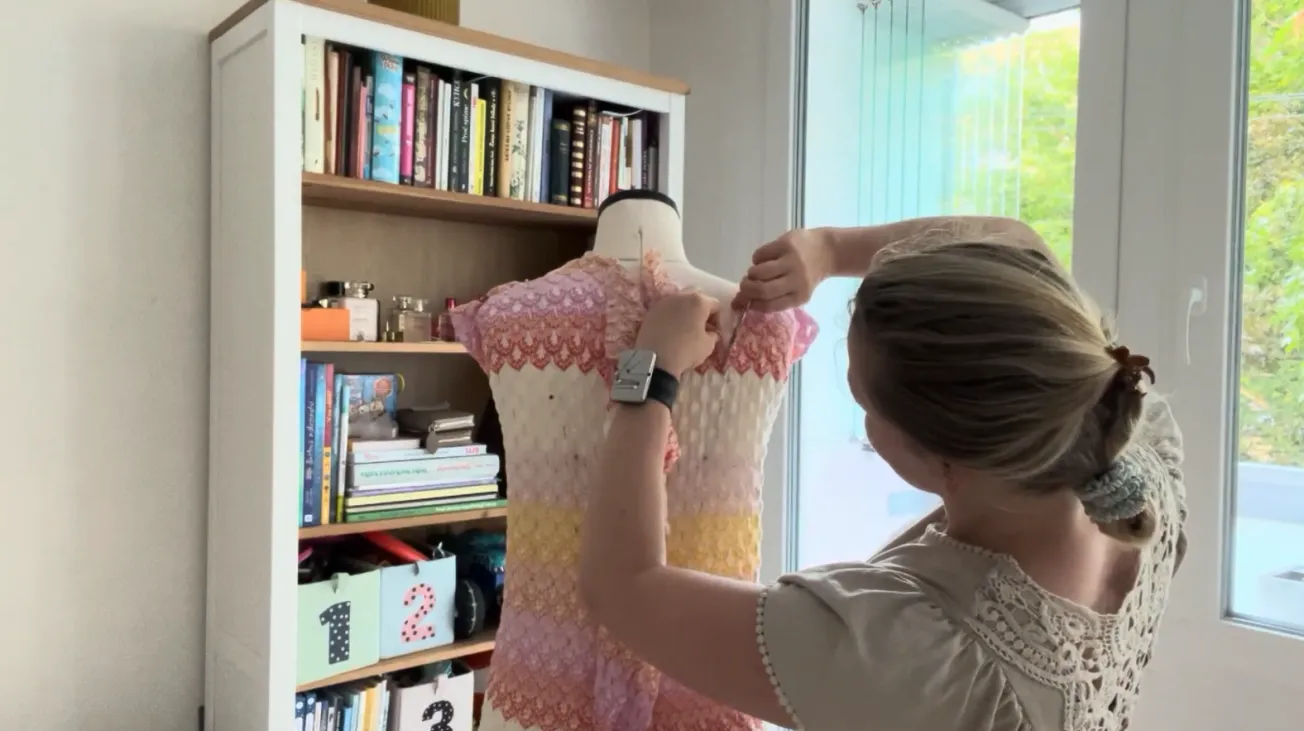
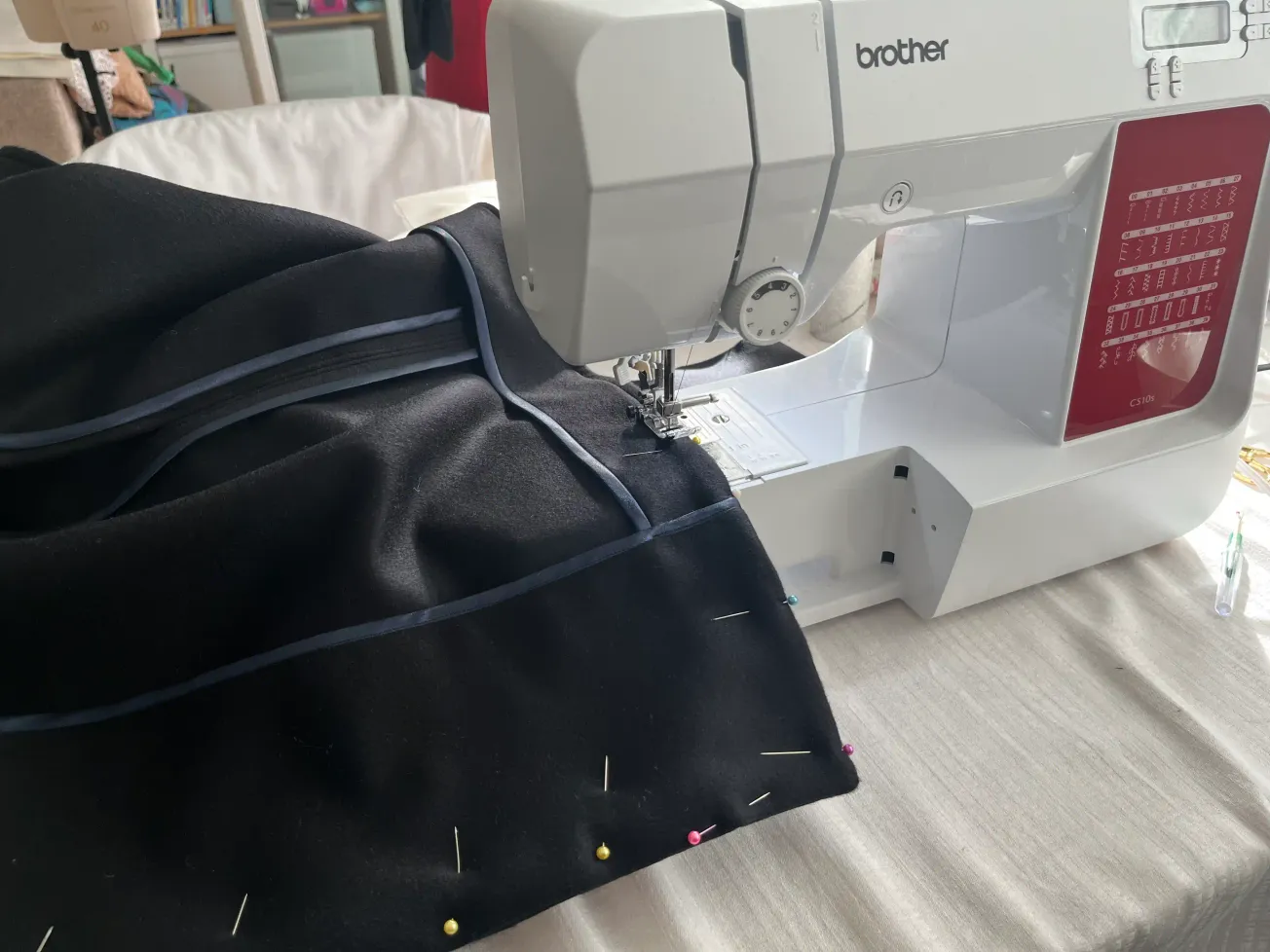
However, if cost per wear still doesn’t work for you, come sew with me. I’m not a professional, but I’m gradually putting together my own wardrobe from timeless materials in the Quiet Luxury style.
Quiet Sewing concept
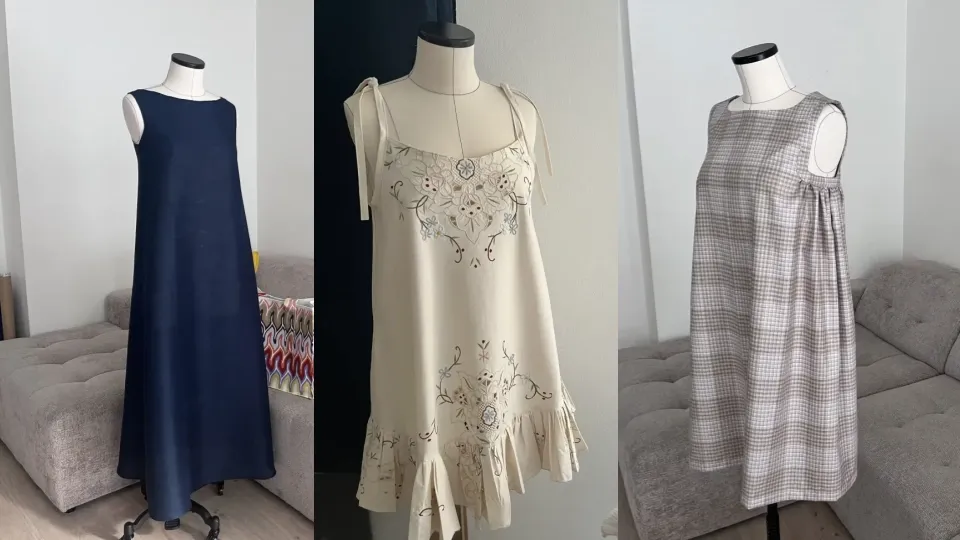
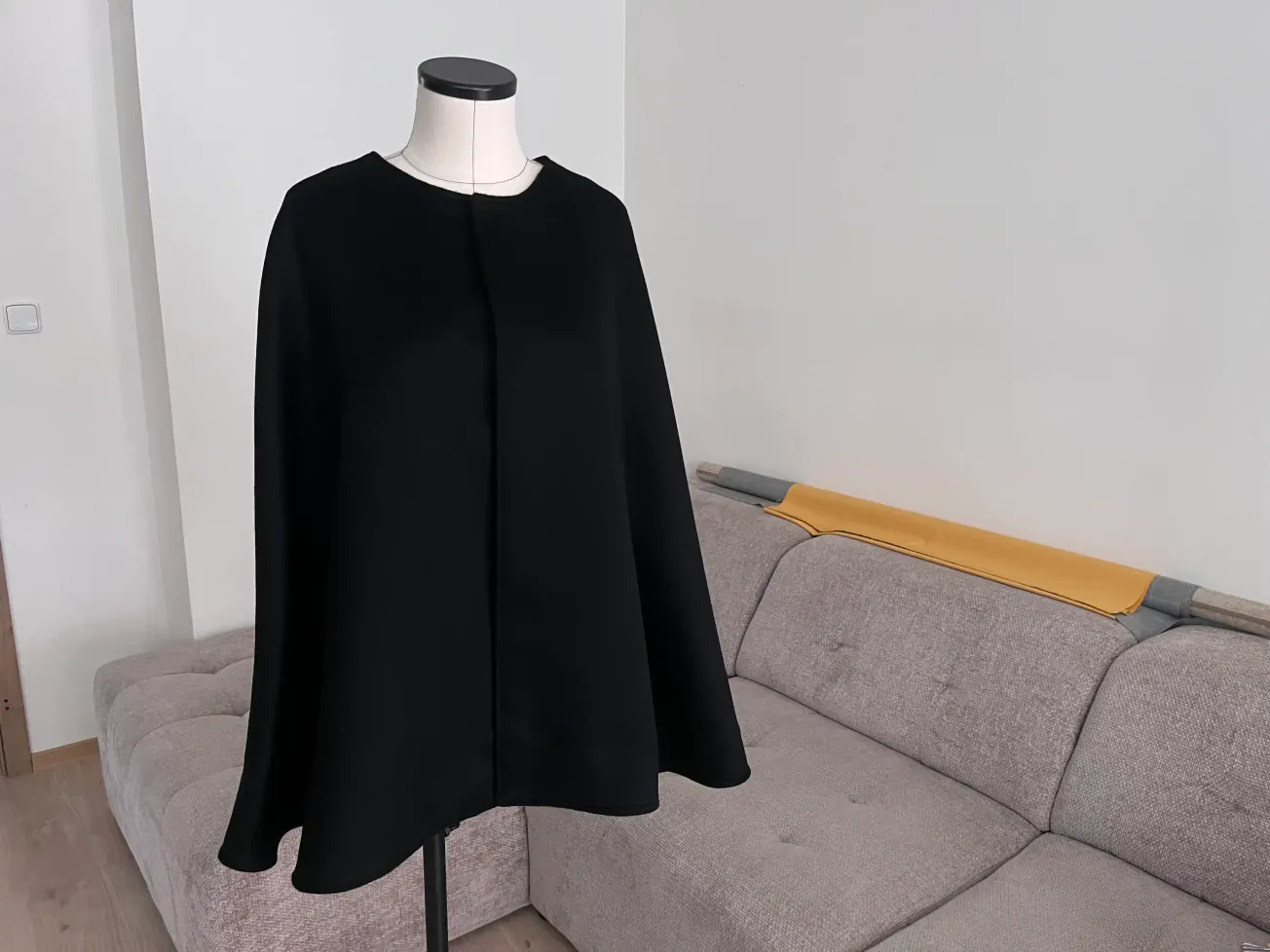
I call this concept Quiet Sewing. I sew quietly when I have time. I'm building my wardrobe slowly, but always using quality materials. When I have a budget for fabric, I can buy it and turn it into a nice piece of clothing. It's slow going, but over time, the wardrobe starts to take shape nicely. I don’t need to shout logos, but I deliberately look for high-quality and premium materials. I see the main advantage in learning to transform a purchased meter of premium fabric into a finished model that fits my figure. Sometimes it can happen that the model you choose has a price so high that even the cost-per-wear method won’t save it. See below. That’s why it’s wonderful to learn to sew, because you only pay for the purchased material, and another investment is your time. No margin, no brand. Just your work, which you can be justifiably proud of.
It’s a lot about psychology. Yes, the first few pieces might be a disaster. But gradually you will improve so much that you will be able to sew more advanced garments.
You just need to approach it as an investment and overcome the initial fear.
If you want to see how I deal with this topic of self-creation, take a look at my DIY Atelier
Debunking the myth of “impracticality”
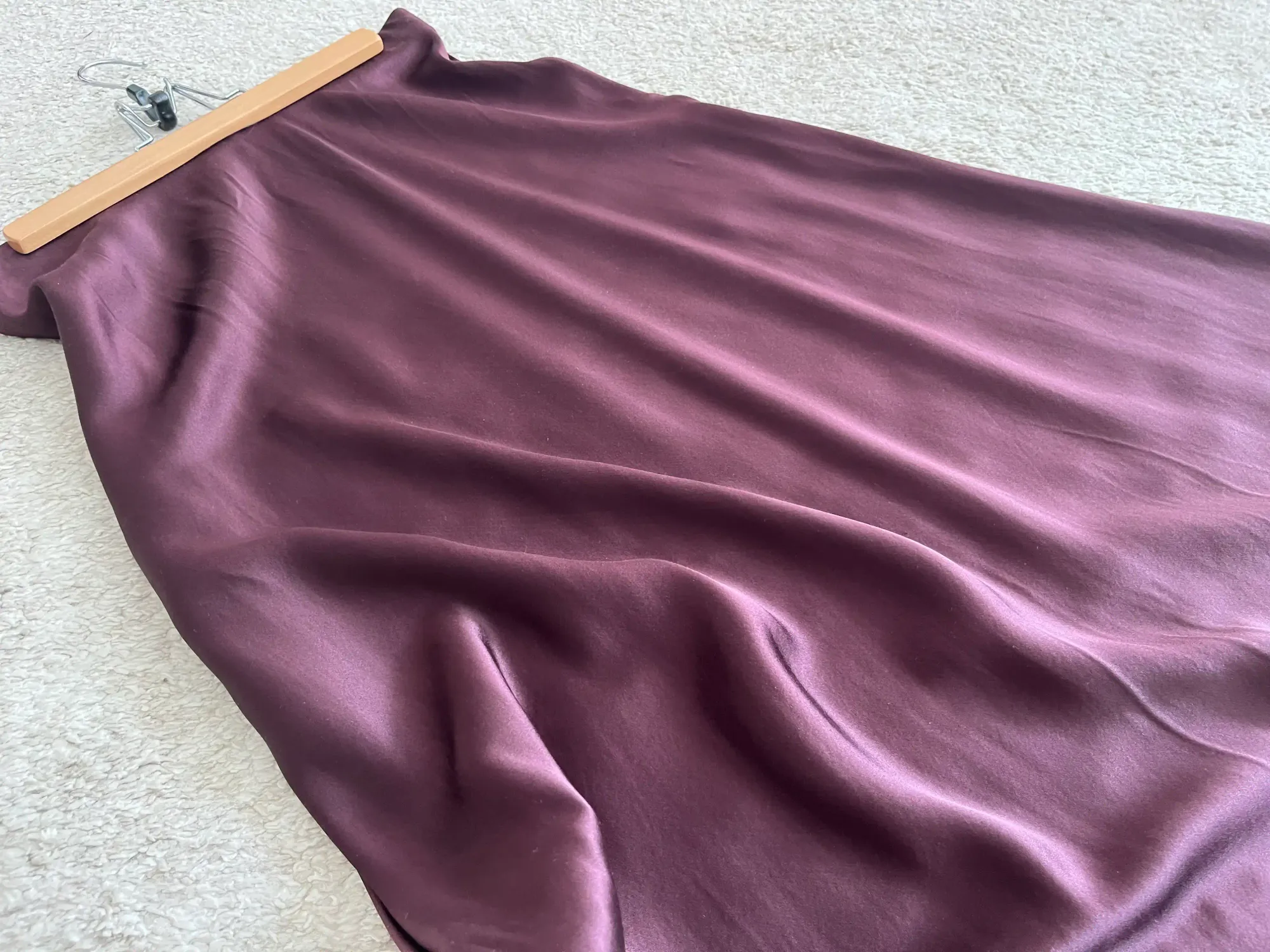
In the case of silk, it is not at all complicated. All you need is a gentle detergent or baby soap (if you have one), and you can gently wash the garment by hand in the sink. You can hang it on a line as usual, because silk does not sag.
If your washing machine has a gentle wash program, you can also wash silk in it, but please do not wring it out. What I find amazing about silk is that you do not have to wash it after every wear. It resists odors and is suitable for people with eczema.
Silk is a wonderful choice for slow fashion.
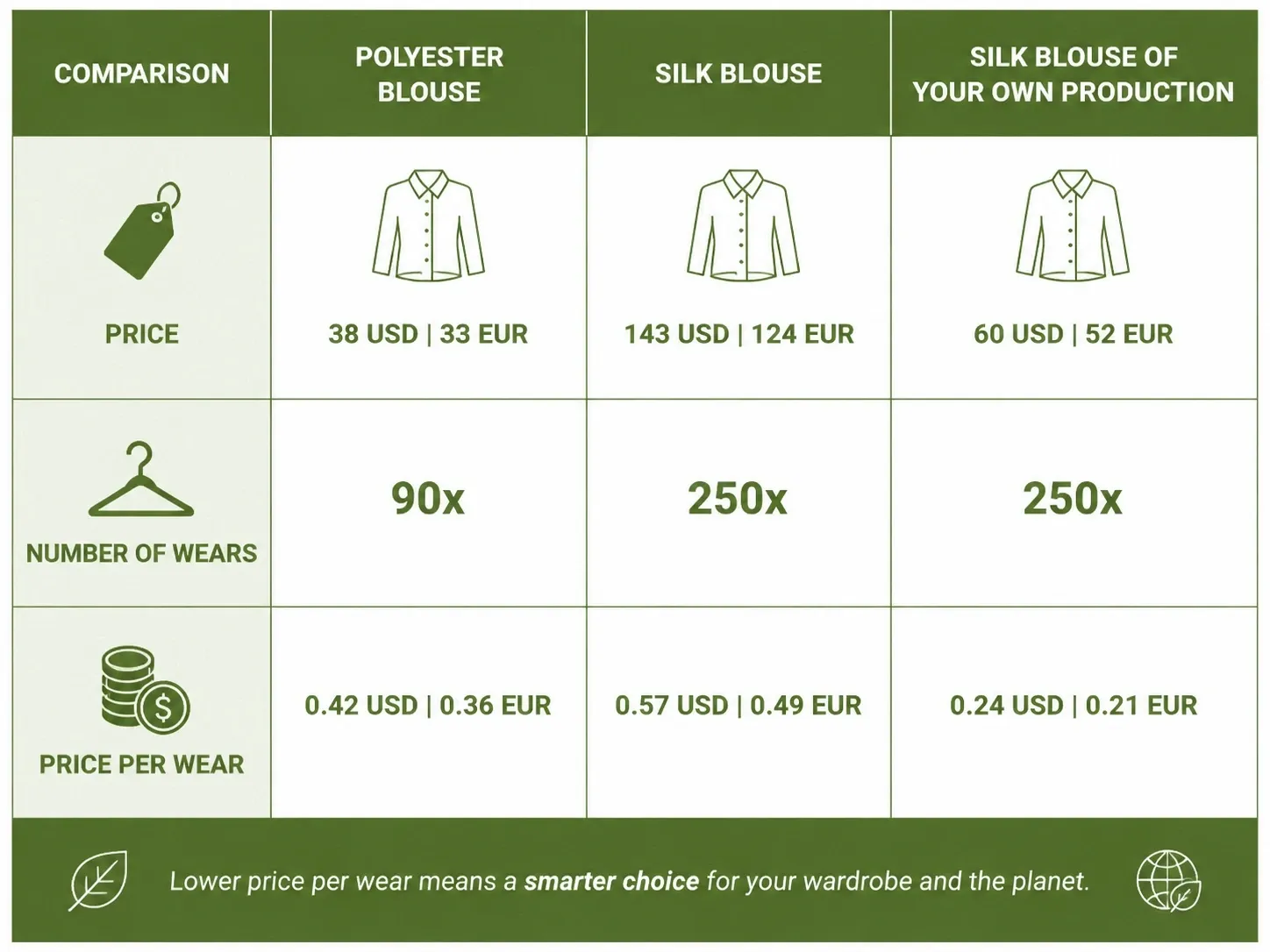
Math doesn’t lie
Let’s count everything, because order makes friends, right?
Polyester blouse
Price: 38 USD | 33 EUR
Number of wears: 90x
Price per wear: 0.42 USD | 0.36 EUR
Silk blouse
Price: 143 USD | 124 EUR
Number of wears: 250x
Price per wear: 0.57 USD | 0.49 EUR
Silk blouse of your own production
Price: 60 USD | 52 EUR
Number of wears: 250x
Price per wear: 0.24 USD | 0.21 EUR
Personally, I focus on quality. In the end, we don't need a million cheap t-shirts made from crude oil; we just need a few comfortable pieces made from quality material that we feel good in and are comfortable with.
How do you build a wardrobe or collect? Have you ever thought about trying to sew something because you can get a nice garment made of top-quality material for an acceptable budget?
Let me know in the comments.
If you want to discuss anything, I’m here.
Dana