Table of Contents
The Trap of Fast Fashion Cycles
In recent years, I feel like we've all been struggling more and more with the constant fast-fashion cycle. Hey customer, you need this and that! You can't live without this shirt or skirt. Buy it on sale for 50% just TODAY! Throw it away, it's not trendy anymore... Hola again, we have a new collection already available online! So come and shop again. And then there are all the discounts everywhere, like buy 2 get 3, extra sale promo code only for you, and many others, so those pieces of clothing lose their value before we actually start wearing them properly, and where is the human work and the conditions of the people who sew all these pieces of clothing?
But there is another way forward. Shifting towards a slow wardrobe can bring a real sense of ease and satisfaction to getting dressed each day. It motivates us to buy less but choose better, enjoy unique pieces that reflect who we are, and reduce the clutter and pressure created by constant new trends. Building a slow wardrobe not only respects the people who make our clothes and helps the environment, but also allows us to reclaim our individuality and discover joy in timeless quality pieces. This positive change is what inspired me to start rethinking my own closet.
I don't know about you, but I see the world of fast fashion as taking away our own identity in the flood of trends and also having a huge impact on the environment.
So some time ago, I started thinking about how to put together my wardrobe so I have quality clothes in my closet that will last for years, and so I don't have to constantly change things or feel pressured to be "in". At first, I took a good look at what I already owned and set aside anything I hadn't worn in a long time or didn't feel comfortable in. This was my first step: making an honest inventory and clearing out what no longer fit my style or needs. After that, I decided to stop buying new clothes for a while. Instead, I made a list of what I actually needed and paid much more attention to materials and how things were made. I don't need to be "in" to feel alive. I need to know that my wardrobe contains quality clothes that are timeless and represent my identity. Fast fashion cycles are exhausting not only the planet, but especially each of us as individuals. That is why I gradually moved from fast fashion to a slow wardrobe.
I consciously started to "invest" in long-term pieces that represent my identity.
I gradually left the world of fast fashion and chasing trends, which is ultimately time-consuming and financially costly.
What is a Slow wardrobe?
A slow wardrobe places great emphasis on quality. It is not a brand. It is a wardrobe built consciously, without impetuous decisions, with a lasting personal style and signature of its owner. You will always recognize its wearer. It contains individual and typical elements that are unique to each of us.
When I built my own wardrobe (and I am still building it), it meant changing my consumer habits. Influencers are popping up all over social media with their impeccable style and taking commissions from sales. I respect their stance. It’s everyone’s business, but I personally decided to go more consciously and slower.
Following trends and fashion collections creates constant pressure to buy things I don’t really need.
My goal is to build a wardrobe of quality things so that the clothes fit me, I am myself, and I feel good in them.
A few years ago I started buying cashmere and silk things for my wardrobe. These are more expensive pieces, so it took me a few years to build a wardrobe. I’m still working on it. It’s such a slow cycle. I gradually replace less high-quality trendy clothes with high-quality minimalist ones that will last me for years. But you definitely do not have to start by buying the most expensive materials. There are many budget-friendly ways to build a slow wardrobe, such as shopping secondhand or vintage, swapping clothes with friends, or just focusing on affordable quality basics. Many timeless pieces can be found in thrift stores or through clothing swaps, and these options make slow fashion accessible no matter your budget. I still use all of these methods myself too.
I approached it as an investment. That was the main change in my thinking. Building my wardrobe wasn't about spending, but about investing in long-term basic pieces of clothing that will last for years and ultimately save me not only money, but also my time, which I perceive as the most precious commodity ever.
I've noticed with some friends that as soon as they start following trends, they actually start "accumulating" clothes that don't really match each other. So they have several types of trends in their wardrobe and actually no identity of their own. This creates a feeling of dissatisfaction and frustration, because it's still "not it". We then constantly chase after more clothes without a soul or an opinion, and after another impulsive purchase, we experience regret again and again.
Even though I won't go into detail here about emissions from clothing production, working conditions in supply chains, or pollution impacts, these issues are very important to me. When I started learning more about how our clothes are made and what happens to them after we throw them away, it really made me question my shopping habits and the impact of fast fashion overall. If you want to dig more deeply into these topics, the participants in the Netflix documentary Buy Now talk about these aspects very well.
The difference between Slow Fashion and Slow Wardrobe
This was quite confusing to me at first, and I had to figure it out.
Slow Fashion:
Everywhere today, on expensive brands on Instagram and elsewhere, I see luxury brands associated with the term slow fashion. (It is often confused with the concept of selling slowly.) In reality, slow fashion is the "attitude" of a particular fashion chain or brand towards its production. This means that the production conditions for their workers (laborers) are fair, the brand addresses the impact of its production on the environment, and their production is sustainable from a long-term perspective, regardless of whether it is a local creation or a global fashion or luxury brand. Brands that recognize this philosophy aim to change the way fashion is produced and distributed today. These brands care that their T-shirts don't end up among tons of other clothes washed up on a beach in Africa or India, and of course they also care about the conditions under which their products are produced.
Slow Wardrobe:
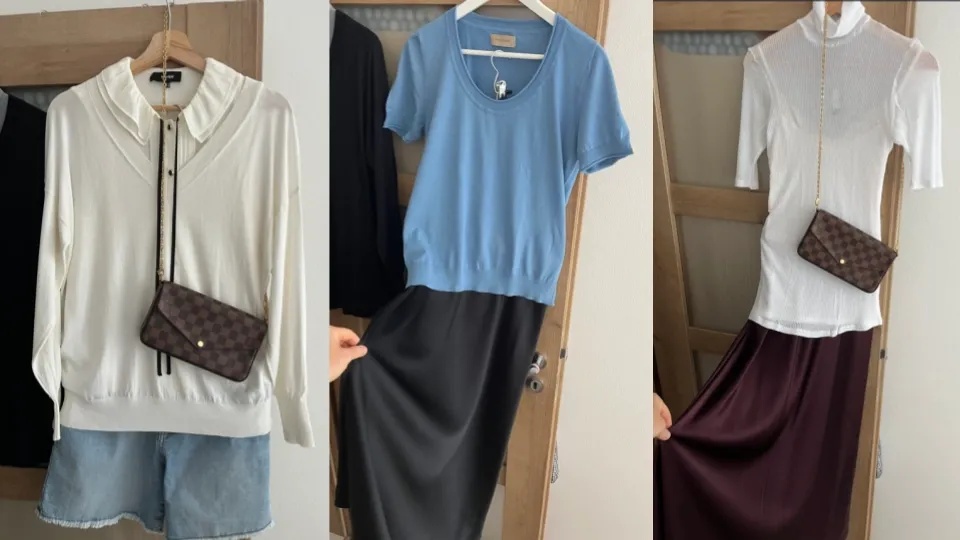
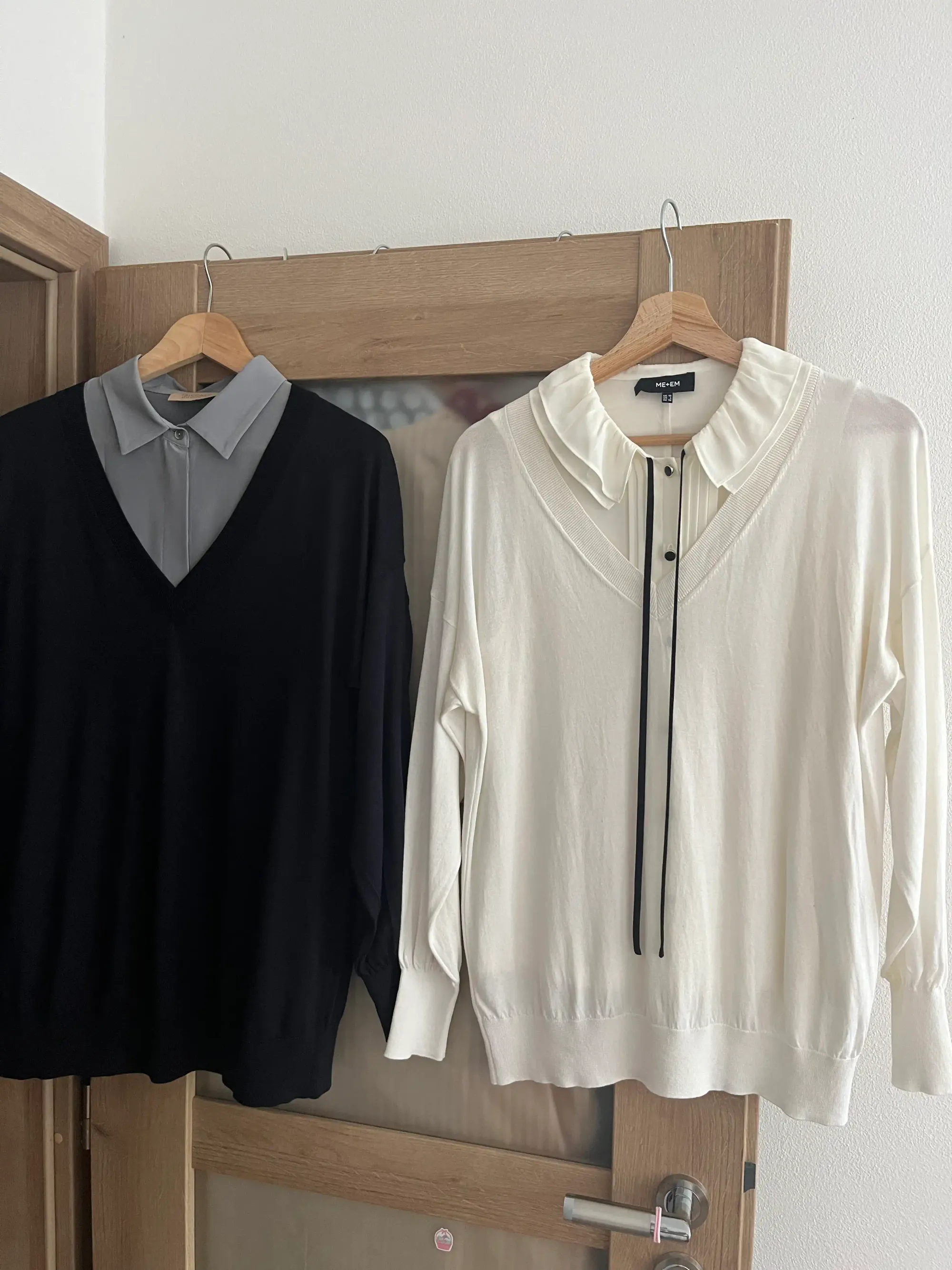
It's about applying a similar approach to our own wardrobe. In practice, this means having fewer clothes in our wardrobe, but of better quality. Trying to repair them when they get damaged instead of throwing them away, and not being afraid to visit the secondary market, vintage stores, and secondhand stores. It's about thinking before you buy clothes instead of impulsively buying according to trends right after payday. You could say that Slow Wardrobe is the practical part where individuals fulfill the goals of Slow Fashion. In practice, this means I don't buy 10 white t-shirts; I choose 2 white t-shirts that I like most and that are good quality, and I actually wear them.
What materials do I have in my slow wardrobe?
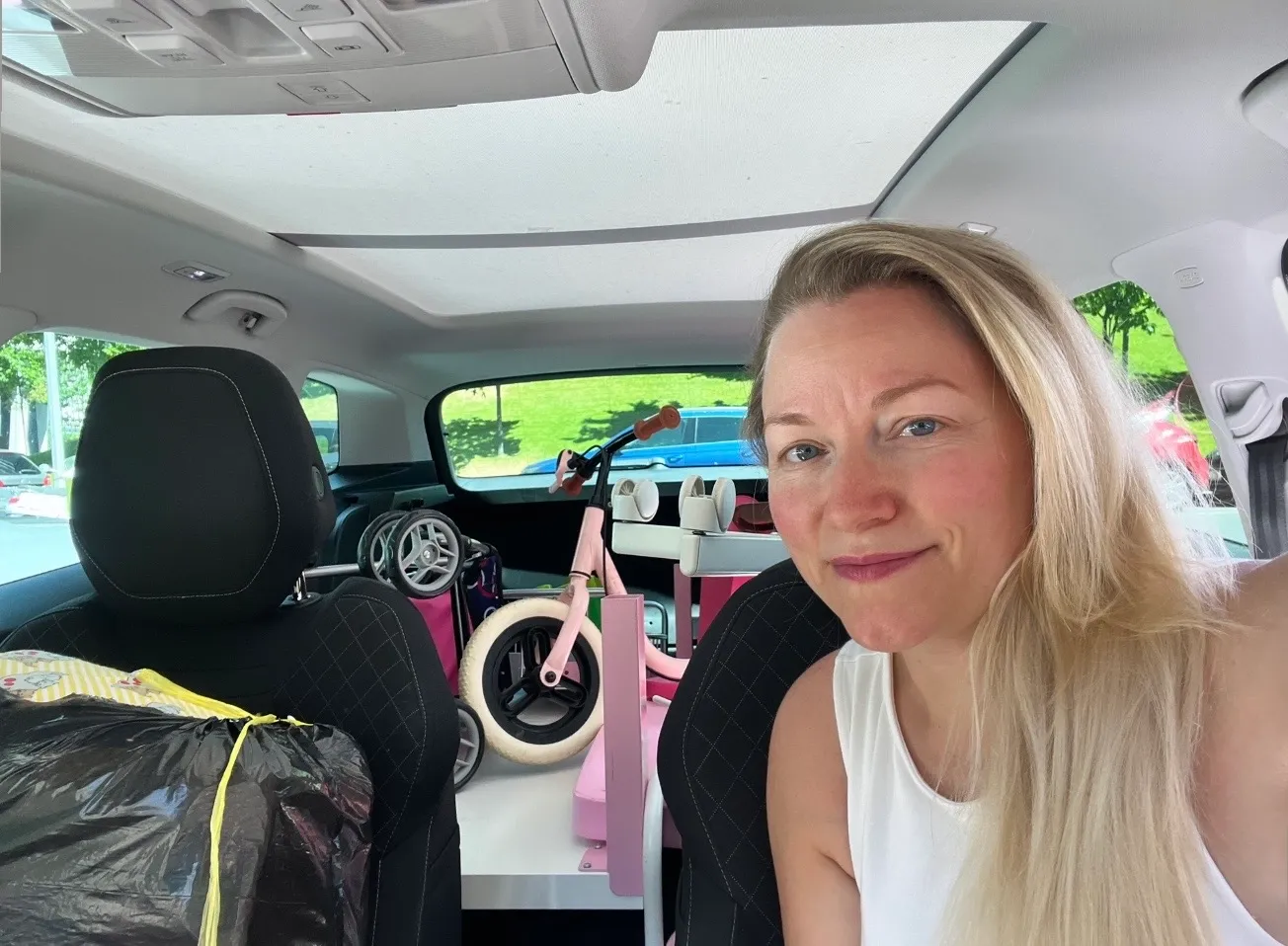
My goal is to focus on quality over quantity. This also includes sustainability, durability, and conscious choice. I buy less and am doing my best to choose better. If some of my clothes get damaged, I try to repair or recycle them. If I no longer need some clothes, I apply my method of Intentional Rehoming and find a new home for them where they will still be loved and worn.
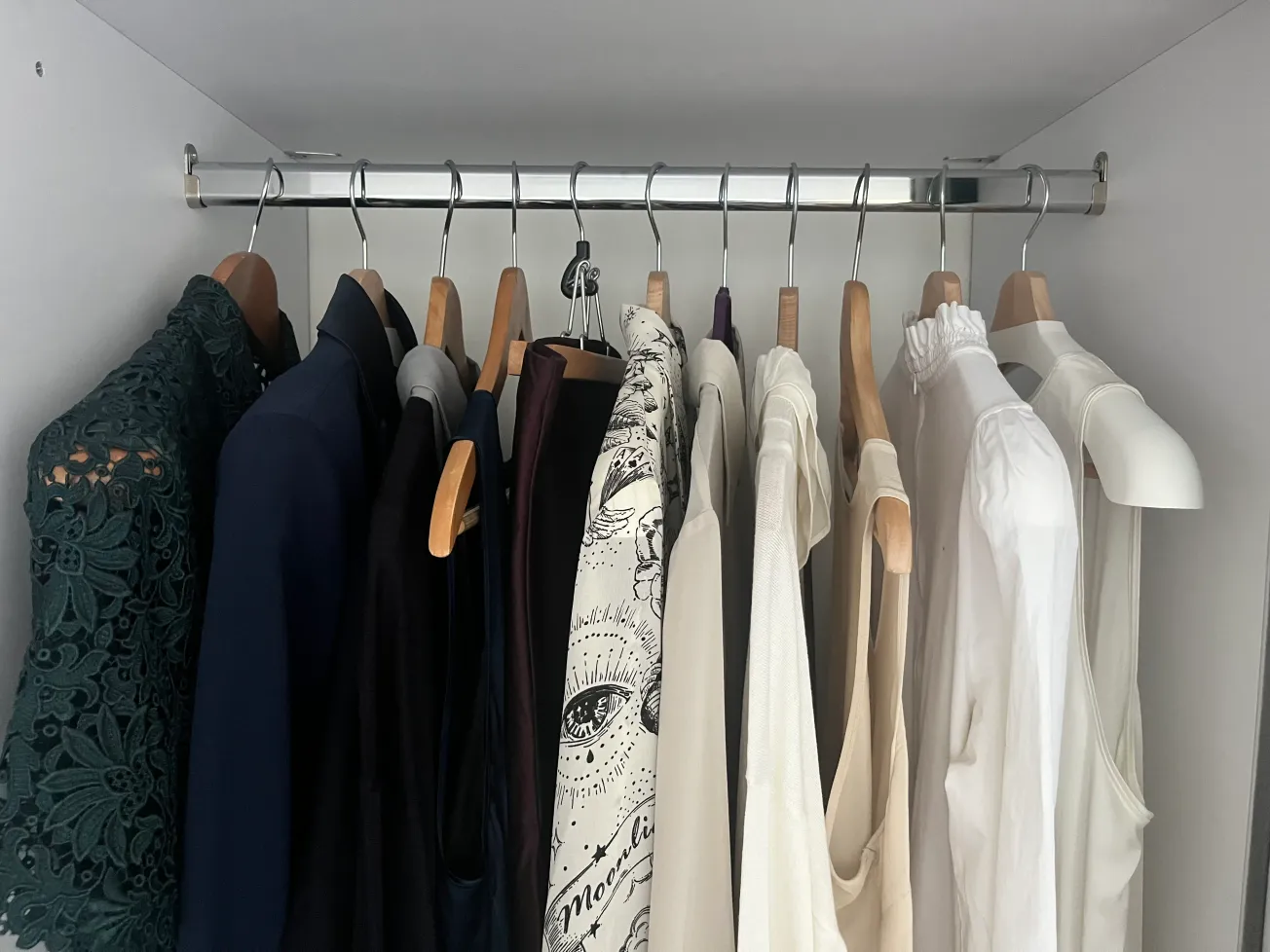
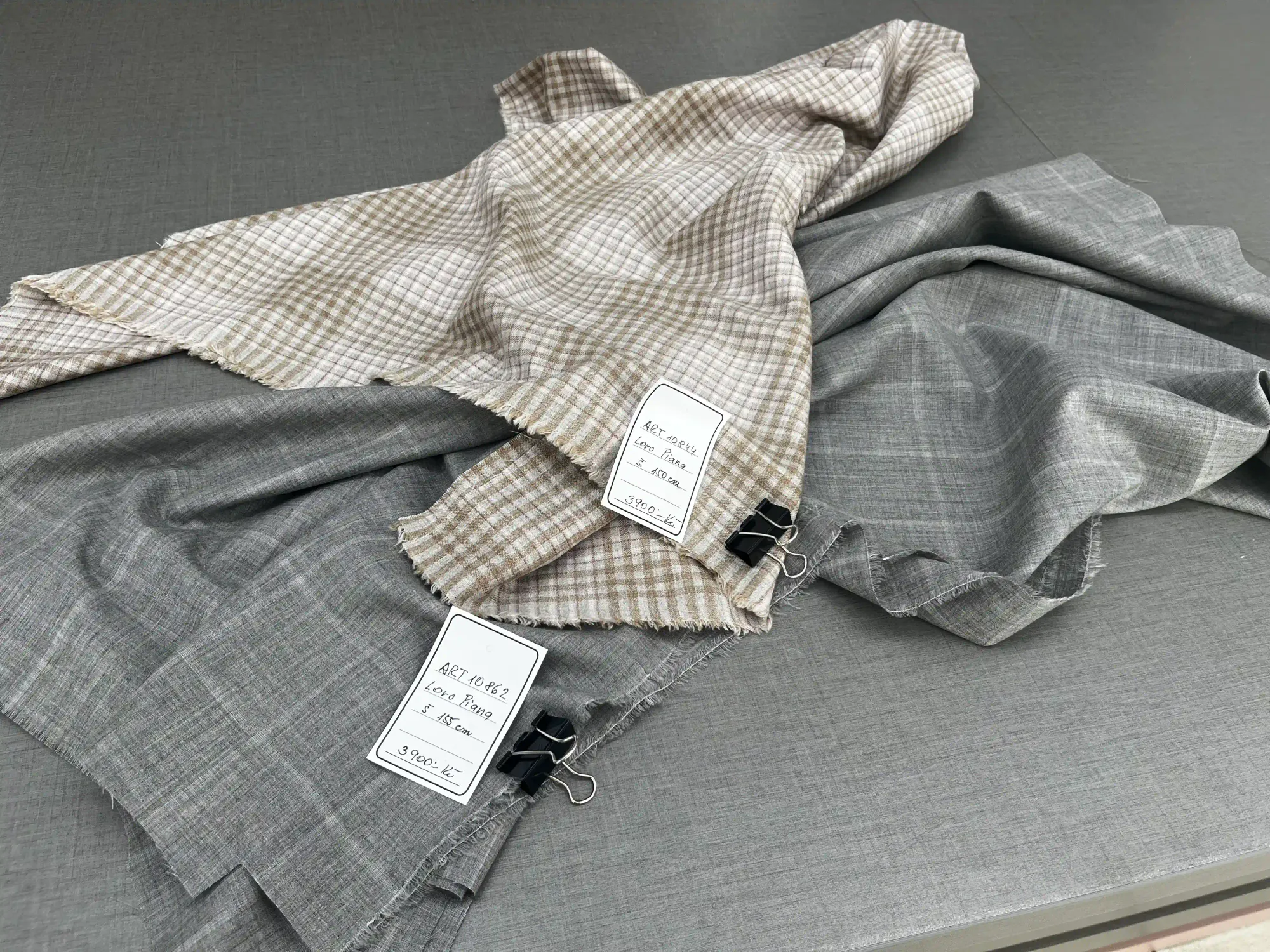
I have been putting together my slow wardrobe for several years now. I complete it with natural materials such as cashmere, linen, and silk. Of course, I also have viscose and cotton. I am doing my best to avoid synthetic products such as polyester, etc. Quality materials will last you for many years because you invest in your wardrobe instead of just spending impulsively.
Learning to sew is closely related to this topic too. I found out that many luxury fashion houses produce not only finished collections but also fabrics that enter the consumer market as deadstock, allowing anyone to sew what they need. If you want to try making your own clothes, there are plenty of beginner-friendly ways to start learning. In most countries today, there are various sewing lessons, or you can follow YouTube tutorials and take online classes for free. I learned a lot from YouTube too. Just a little practice, and over time you will undoubtedly dare to use premium fabrics that you would only pass by in amazement today.
Having my own production in my wardrobe motivates me a lot. It gives me confidence that I can sew something nice. I can do something, and I just scroll through it on my mobile phone. Sewing also helped me strengthen my feminine, gentle side. Moreover, it helps develop creativity, and it is fun (if I don't mind tearing a poorly sewn stitch).
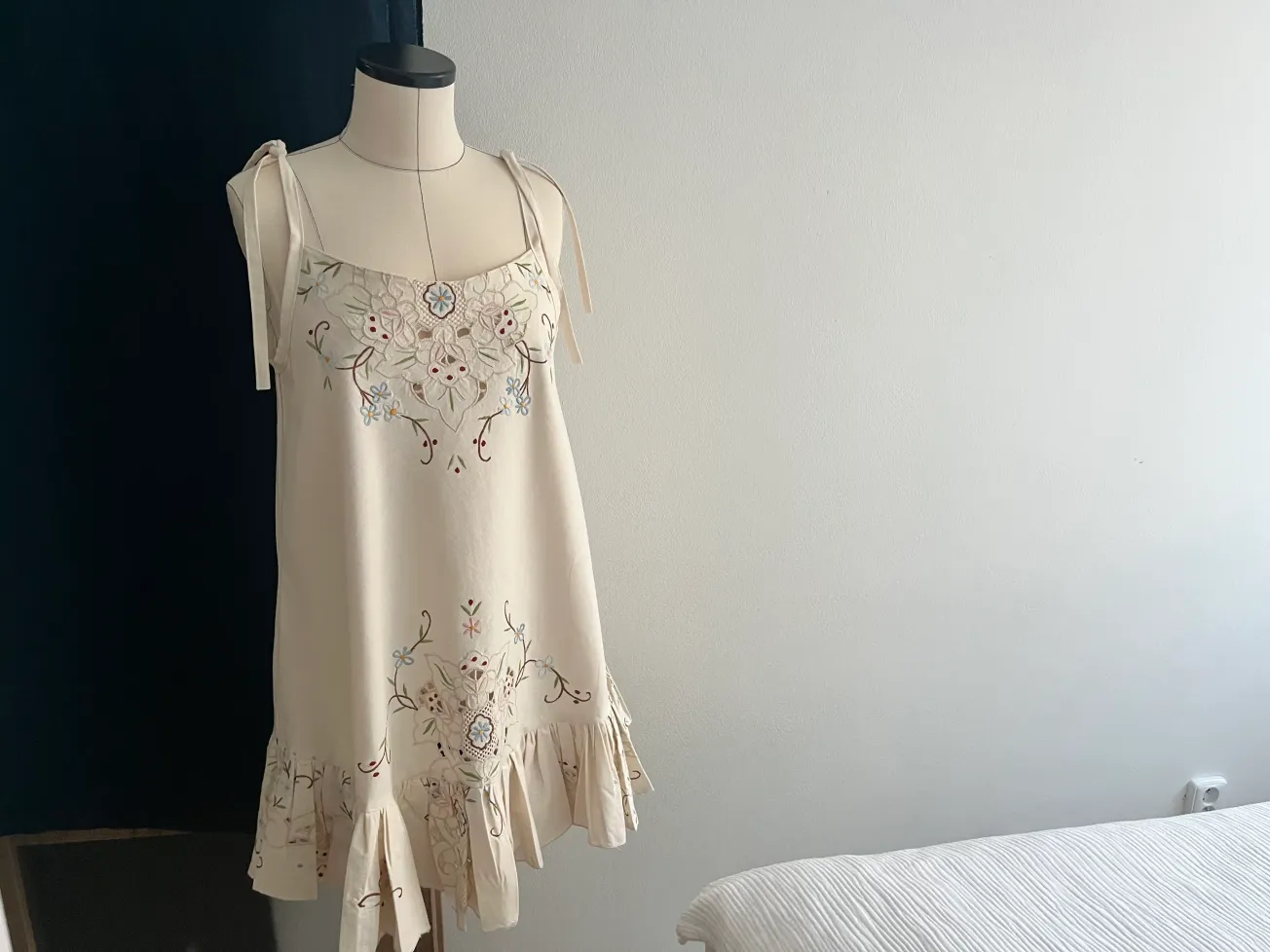
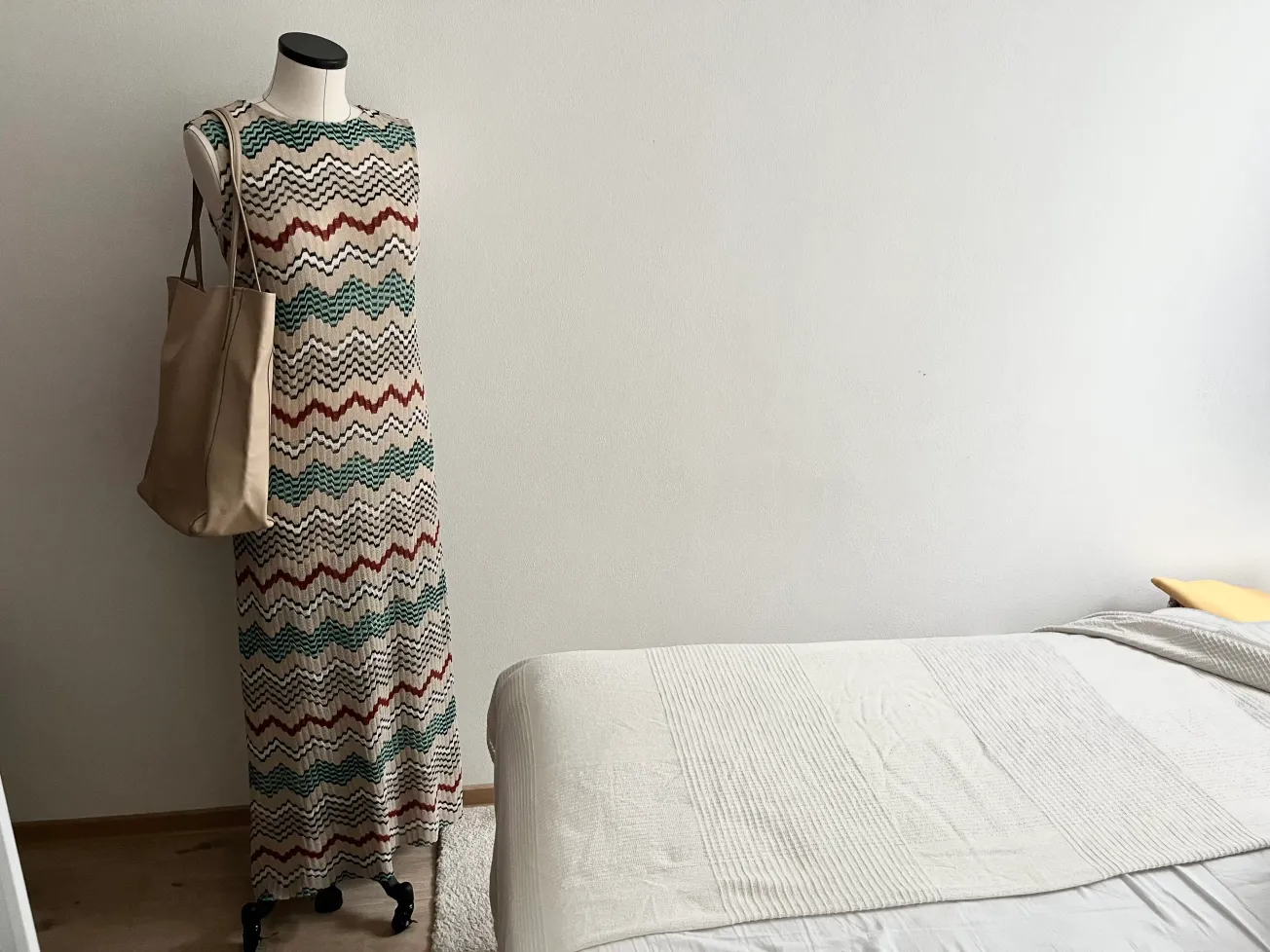
If you are interested in any dresses, bags, or other products that I have made, feel free to look into my DIY Atelier to download the pattern. Where necessary, I always include it for free download, because I believe that we should all have the opportunity to make something nice to wear, regardless of our financial situation. Just please don't forget that I'm still a beginner myself. With a loving heart...
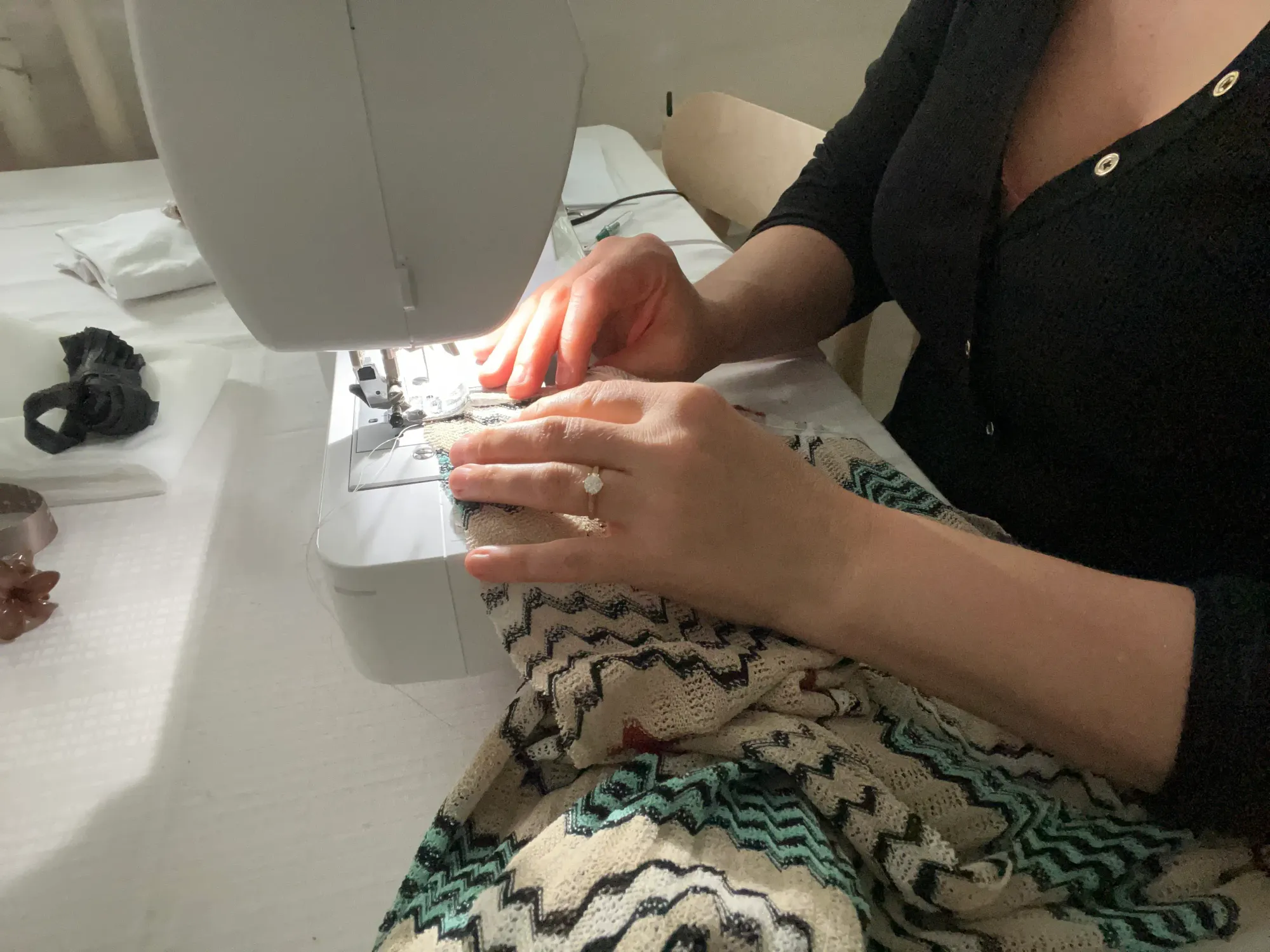
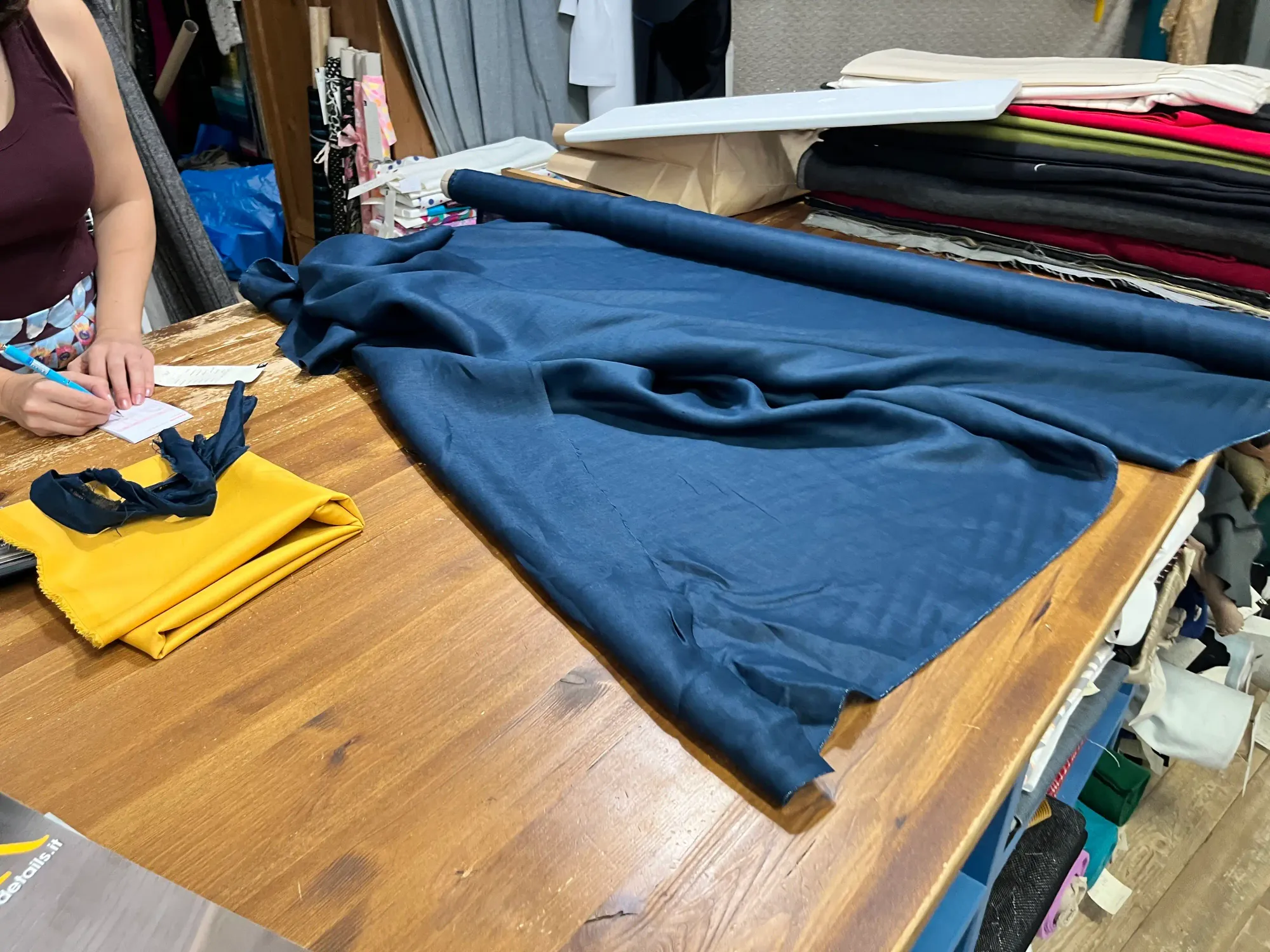
Buying and sewing your own clothes is one way to build a high-quality slow wardrobe.
The DIY Atelier: Creating Your Own Luxury
When I found out that some brands not only produce their own clothing collections, but also produce deadstock fabrics that they distribute to the market, I was completely thrilled. This was a big impetus for me to change my approach to my wardrobe. I couldn't even sew a straight line, but I'm gradually improving and practicing my talents so that I'm no longer afraid to sew from luxury fabrics that I've accumulated over time, hoping to sew something nice for myself one day.
One such fabric is, for example, the cashmere and silk panama from the Loro Piana brand, which is a symbol of quiet luxury. Under normal circumstances, I wouldn't have enough for a dress from this fashion house. But thanks to discovering where you can buy this fabric as deadstock, I was able to buy 1.2 yards and sew the dress myself at home. I will have a dress in my closet made of premium material that would cost around 3,540 USD or 3,099 EUR in a store. I am a realist, so I know it will not be sewn so precisely, but I can handle the fabric, and that is the main thing for me. I bought the fabric for 165 USD or 145 EUR. That is an extreme difference. I love to create, and I have always had a lot of fun doing it. But I never imagined that by learning the basics of sewing, I would also open the door to the world of premium fabrics and making high-quality clothing, which I would normally save for years and would be an almost unattainable goal for me.